
Why Does Toughened Glass Break Suddenly? Causes, Risks and Solutions
Glass is an increasingly important feature of modern UK buildings. From commercial offices and retail premises to apartment blocks and large glazed façades, extensive areas of glazing are used to maximise natural light, improve aesthetics and support energy-efficient building design.
Toughened glass is commonly specified for these applications because it is significantly stronger than ordinary annealed glass and, when it fails, is designed to break into smaller granular pieces rather than large, sharp shards.
However, toughened glass can still fracture unexpectedly. When glazing is installed at height, spontaneous or unexpected glass breakage can present a serious safety concern for building occupants, pedestrians, businesses and property owners.
Understanding the potential causes of glass breakage can help building managers, landlords and property owners identify problems early and arrange appropriate repairs or replacement glazing.
What Is Spontaneous Glass Breakage?
Spontaneous glass breakage refers to the unexpected failure of glass without an obvious impact occurring immediately beforehand.
Although the breakage may appear to happen without warning, there is usually an underlying cause. Factors such as installation problems, edge damage, thermal stress, impact, manufacturing defects or inclusions within toughened glass can all contribute to failure.
Identifying the cause is important because simply replacing the broken pane may not resolve an underlying problem with the glazing system.
Common Causes of Glass Breakage
There are several potential reasons why toughened or other types of architectural glass may fracture. The most common include installation-related damage, manufacturing imperfections, impact, thermal stress and nickel sulphide inclusions.
Installation and Glazing System Damage
The way glass is installed can have a significant effect on its long-term performance.
Glazed panels are fitted within framing systems that can expand, contract and move in response to changes in temperature, wind loading and building movement. The glass therefore needs to be correctly positioned and adequately isolated from surrounding components.
Problems can occur when:
- Setting blocks or edge blocks are incorrectly positioned
- Gaskets do not provide the correct level of compression
- The glass is not properly supported
- Glazing tolerances are inadequate
- The glass comes into direct contact with metal components
- The edge of the glass has been damaged during installation
Even relatively small chips or imperfections around the edge of a pane can create points of weakness. Movement within the glazing system can then place additional stress on these areas, potentially resulting in cracking or complete fracture.
Correct installation and regular inspection are therefore important when maintaining commercial and high-level glazing.
Manufacturing Defects and Edge Damage
Glass is generally cut and processed from larger sheets before being installed within a window, door or façade system.
During manufacturing, cutting, handling and processing, the glass should be carefully inspected for defects, chips or edge damage. If an imperfection is present, it can compromise the structural integrity of the pane.
Once installed, the glass is exposed to a range of conditions, including:
- Temperature fluctuations
- Wind loading
- Solar radiation
- Building movement
- Mechanical stresses
- Frame movement
These factors can increase stresses around an existing defect and potentially cause the glass to fail.
This is one reason why quality control during glass manufacturing, transportation and installation is so important.
Impact Damage
Not all unexpected glass breakage is genuinely spontaneous. Impact is another common cause of glass failure.
A pane may be struck by an object without the impact being immediately noticed. Depending on the circumstances, this could include:
- Stones or other debris
- Vandalism
- Maintenance equipment
- Tools
- Objects blown by strong winds
- Accidental contact
- Objects falling from surrounding buildings
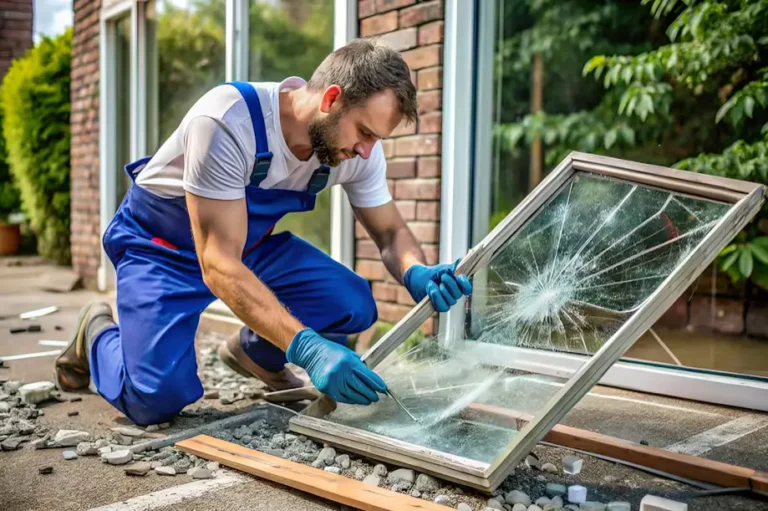
Impact damage can sometimes be identified by examining the fracture pattern and the point at which the glass was struck.
Where glazing is installed at height, determining whether an impact caused the failure can be particularly important for understanding the incident and deciding on the appropriate replacement solution.
Thermal Stress and Temperature Changes
Temperature differences across a pane of glass can create thermal stress.
For example, the central area of a pane exposed to direct sunlight may become considerably warmer than the edges, particularly where parts of the glass are shaded by frames, blinds, signs or neighbouring structures.
This uneven heating causes different areas of the glass to expand at different rates. If the resulting stresses become greater than the glass can withstand, fracture may occur.
Thermal stress can be influenced by factors such as:
- Direct sunlight
- Partial shading
- Internal blinds or curtains
- Dark objects positioned close to the glass
- Heating or cooling systems
- Differences between indoor and outdoor temperatures
- The type and thickness of glass used
Correct glass specification and installation can help reduce the risk of thermally induced failure.
Nickel Sulphide Inclusions in Toughened Glass
One of the more unusual causes of spontaneous breakage in toughened glass is a nickel sulphide (NiS) inclusion.
Nickel sulphide inclusions are extremely small impurities that can occasionally occur within glass during manufacturing. When toughened glass is produced, the heat-treatment process can leave certain inclusions in a higher-energy state.
Over time, an inclusion can potentially change and expand. This may create localised stress within the glass, eventually causing the pane to fracture.
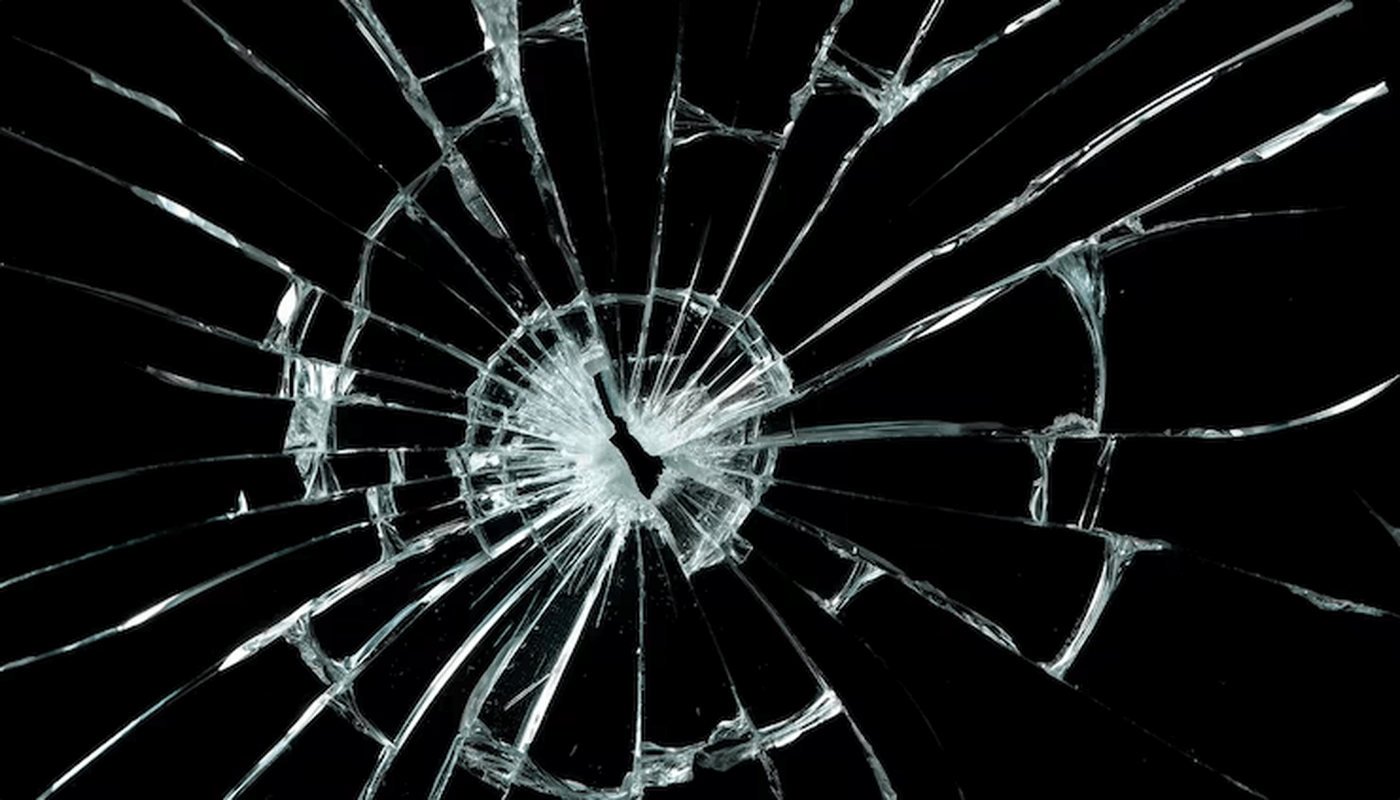
In some cases, nickel sulphide-related failure can produce a distinctive fracture pattern sometimes described as a butterfly or butterfly-wing pattern around the point of origin.
However, the appearance of a fracture alone is not necessarily sufficient to confirm the cause. Specialist examination and laboratory testing may be required where establishing the cause of failure is important.
Can Nickel Sulphide Breakage Be Prevented?
The risk associated with nickel sulphide inclusions can be reduced through heat soak testing.
Heat soaking involves placing toughened glass through a controlled heating process designed to encourage glass containing potentially problematic inclusions to fail during the testing process rather than after installation.
Heat soak testing does not guarantee that every future failure will be prevented, but it can significantly reduce the risk of spontaneous breakage associated with nickel sulphide inclusions.
For applications where safety and access considerations are particularly important, specifying appropriately tested and processed toughened glass can therefore be an important consideration.
Why High-Level Glass Breakage Requires Urgent Attention
A broken window or glass panel at ground level can already be inconvenient and potentially dangerous. When glass is installed several metres above the ground, the risks can be considerably greater.
Fragments of broken glass can potentially fall onto:
- Pavements
- Roads
- Entrances and exits
- Courtyards
- Staff and visitor areas
- Public spaces
- Lower-level roofs and balconies
For landlords, facilities managers and commercial property owners, dealing with damaged high-level glazing should therefore be treated as a safety priority.
The affected area may need to be isolated while the glazing is assessed and made safe.
What Should You Do If Glass Breaks at Height?
If a high-level glass panel breaks unexpectedly, the first priority should be to keep people away from the area beneath and around the damaged glazing.
A suitable professional should then assess the condition of the glass and glazing system.
Depending on the circumstances, an emergency glazing contractor may need to:
- Remove dangerous sections of broken glass
- Temporarily board the opening
- Apply suitable safety film where appropriate
- Secure the affected area
- Replace the damaged glazing
- Assess the surrounding glazing system
Where the cause of the failure is uncertain, it can also be worth considering whether specialist investigation or laboratory testing is appropriate.
Should Broken Glass Be Tested for Nickel Sulphide?
If nickel sulphide inclusion is suspected, it is important to consider testing before the damaged glass is removed and disposed of.
The fracture origin and surrounding material may provide important evidence when investigating the cause of failure. If the broken pane is removed incorrectly or discarded, this evidence may no longer be available.
Where a formal investigation is required, a suitably qualified glazing professional can advise on how the damaged unit should be handled and whether laboratory analysis is appropriate.
Replacing Broken Commercial and High-Level Glazing
Once the damaged glass has been assessed and the area made safe, replacement glazing can be arranged.
The replacement should not simply replicate the appearance of the original pane. The glazing specification, dimensions, thickness, safety requirements, frame system and intended application should all be considered.
A professional glazing contractor can assess the existing installation and recommend an appropriate replacement.
For businesses and property owners in Essex, Sameday Glass Essex can provide professional glazing support for damaged and broken glass, helping customers address glazing problems promptly and safely.
How Can the Risk of Glass Breakage Be Reduced?
Although not every glass failure can be prevented, several measures can help reduce the risk.
These include:
Use the Correct Glass Specification
The glass should be selected according to the requirements of the building, glazing system and location. Safety, thermal performance, size and installation conditions all need to be considered.
Ensure Correct Installation
Correct setting blocks, gaskets, clearances and edge protection can help prevent unnecessary stresses being transferred to the glass.
Inspect Glass Before Installation
Glass should be checked for chips, cracks, scratches and other forms of damage before being installed.
Consider Heat Soak Testing
For appropriate toughened-glass applications, heat soak testing can reduce the risk associated with nickel sulphide inclusions.
Carry Out Regular Inspections
Commercial properties, high-rise buildings and large glazed façades can benefit from planned inspections to identify damaged seals, edge damage, movement or other potential problems before they become more serious.
Final Thoughts on Spontaneous Glass Breakage
Spontaneous glass breakage can have several possible causes and identifying the reason for failure is not always straightforward. Installation problems, edge damage, impact, thermal stress, manufacturing defects and nickel sulphide inclusions can all contribute to toughened glass failure.
When glass breaks at height, the issue should be treated seriously because falling glazing can pose a risk to people and property below. The affected area should be isolated, the damaged glazing professionally assessed and suitable measures taken to make the area safe.
For commercial properties, offices, residential developments and other buildings requiring professional glazing assistance in Essex, Sameday Glass Essex can help with broken and damaged glazing and replacement glass requirements.
This version is structured around relevant search terms such as spontaneous glass breakage, toughened glass, causes of glass breakage, nickel sulphide inclusions, thermal stress, high-level glazing and broken commercial glass, while keeping the wording natural rather than keyword-heavy.