
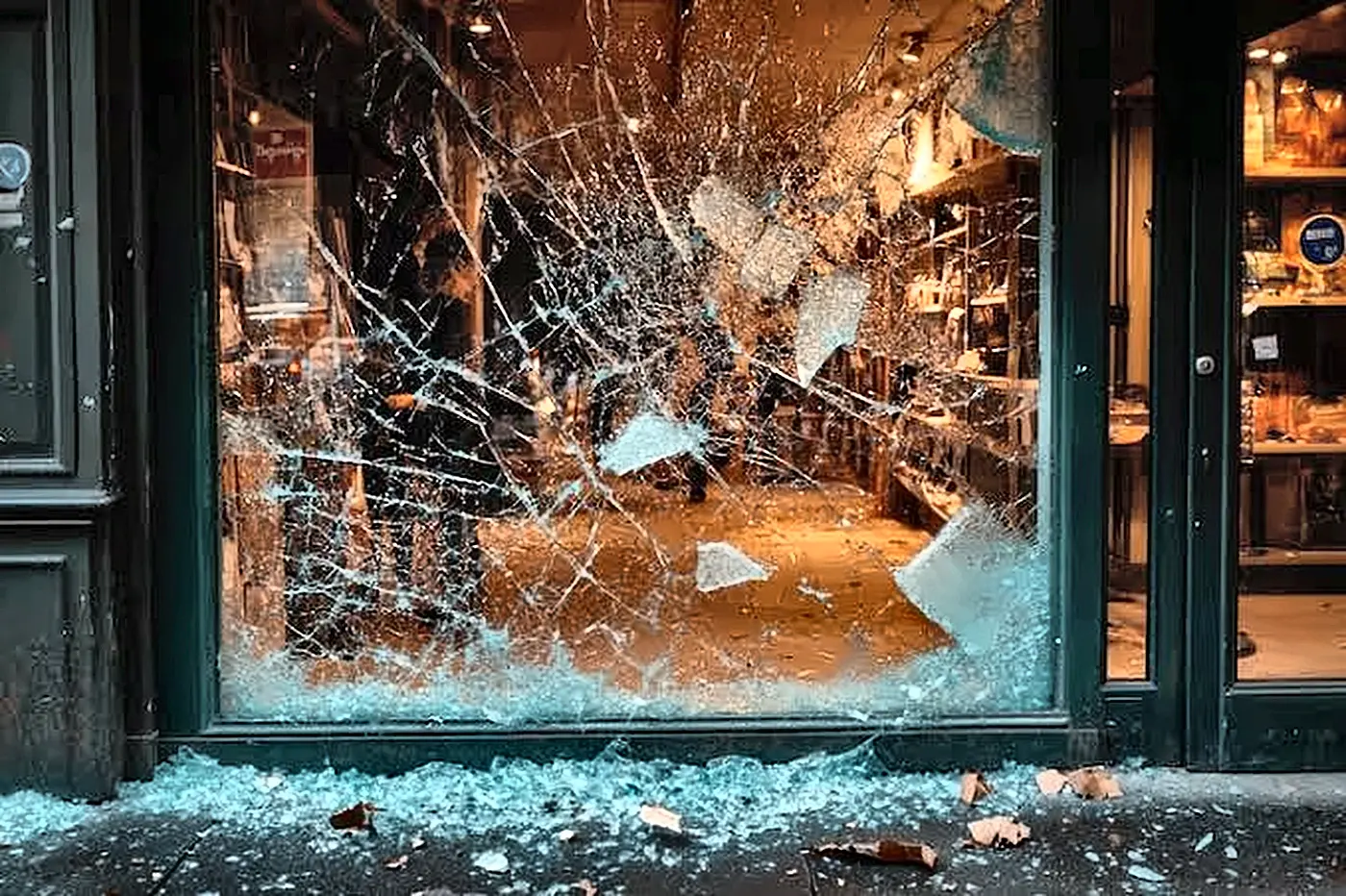
Emergency Shopfront Glazing: What to Do When Your Business Glass Is Smashed
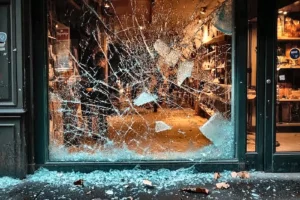
A smashed shopfront can put a business at risk within minutes. Whether the damage has been caused by a break-in, vandalism, accidental impact or a vehicle collision, broken commercial glazing needs to be dealt with quickly and safely.
For business owners and property managers across the UK, the priorities are straightforward: make the area safe, protect the premises, document the damage, contact your insurer where appropriate and arrange professional emergency glazing and shopfront glass replacement.
Acting quickly can help reduce further damage, protect stock and equipment, maintain security and minimise disruption to trading.
What to Do Immediately After a Shopfront Is Smashed
A broken shopfront can involve large areas of heavy glass, sharp fragments and damaged frames, so avoid trying to remove or repair the glass yourself.
Your first steps should include:
- Keep staff, customers and members of the public away from the damaged area.
- Check whether there is loose or unstable glass that could fall.
- If the damage appears to have resulted from a crime, contact the police and obtain a crime reference number.
- Take clear photographs and videos of the damage before anything is removed, where it is safe to do so.
- Photograph the surrounding area, damaged frames, locks, doors, stock and possible points of entry.
- Contact an emergency glazing company that handles commercial properties.
- Arrange temporary boarding or another suitable make-safe solution if permanent replacement glass is not immediately available.
If there is an immediate danger to people, the priority should always be safety rather than protecting the property or getting the business open again.
Emergency Glazing Helps Secure the Premises
Once the area has been made safe, the next priority is preventing further access to the building.
Depending on the size and location of the damage, a professional glazier may recommend:
- Temporary boarding
- Temporary security glazing
- Replacement glass
- Emergency repairs to frames
- Temporary securing of doors
- Replacement locks or hardware where necessary
Boarding is often the quickest temporary solution, particularly when replacement glass needs to be manufactured to a specific size and specification.
However, businesses do not always need to remain completely closed while waiting for permanent glazing. Where appropriate, the damaged area can sometimes be secured in a way that allows the rest of the premises to continue operating.
Your glazier should consider your opening hours, customer access, staff safety and the layout of the shopfront when recommending a make-safe solution.
Can a Business Stay Open After Its Shopfront Is Smashed?
It depends on the extent of the damage and whether the premises can be made safe.
A small damaged section may be isolated while the rest of the business continues operating. A larger opening may require boarding or temporary glazing before customers and staff can safely return.
The important point is not to assume that a fully boarded shopfront automatically means the business has to remain closed.
A commercial glazing company can assess the frontage and advise on the safest practical approach. In some circumstances, partial boarding, temporary glazing or a secured alternative entrance can help reduce disruption while permanent glass is being prepared.
Shopfront Glass Replacement: Why It May Not Be Immediate
One of the most common misconceptions following a break-in is that every type of glass can simply be replaced on the same day.
Commercial shopfront glazing can involve much larger panes than domestic windows. The replacement also needs to meet the appropriate safety requirements and match the existing system.
Depending on the application, the replacement may involve:
- Toughened safety glass
- Laminated safety glass
- Double-glazed units
- Specialist security glazing
- Large-format glass
- Bespoke-shaped panes
Glass specifications, measurements, processing requirements and availability can all affect the timescale.
This is why it is important to give your glazier accurate photographs and, where possible, details of the existing glass and frame system when requesting an emergency glazing service.
Toughened or Laminated Glass for a Shopfront?
The right specification depends on the location, design and security requirements of the property.
Toughened glass is widely used where safety and strength are important. It is manufactured to withstand greater impact than ordinary annealed glass and breaks into smaller pieces when it fails.
Laminated glass consists of multiple layers bonded together with an interlayer. When damaged, the glass is designed to remain held together rather than falling away in the same way as conventional glass.
For businesses concerned about forced entry, laminated glazing can provide an additional level of security because simply breaking the glass does not necessarily create an open entrance.
Your glazing specialist can advise on the most suitable specification based on the existing shopfront, security requirements and applicable building standards.
What About Insurance After a Shopfront Break-In?
Commercial property insurance may cover accidental or deliberate damage to glazing, although the exact terms depend on the policy.
If you intend to make a claim, keep a clear record of the incident and associated costs.
Useful documentation can include:
- Police crime reference number, where applicable
- Photographs and videos of the damage
- Emergency glazing invoices
- Boarding or make-safe costs
- Replacement glass quotations
- Details of damaged doors, frames or locks
- Evidence of damaged stock
- Records of any business interruption
- Details of the insurance excess
Emergency measures may need to be arranged quickly to prevent additional damage, but you should follow your insurer’s requirements wherever possible.
Check your policy before assuming that every cost will be covered. Some policies have specific requirements concerning security, glazing specifications, excesses and notification of incidents.
How Much Does Emergency Shopfront Glass Replacement Cost?
There is no single price for replacing a smashed shopfront because the cost depends on several factors.
These can include:
- Glass type
- Pane size
- Glass thickness
- Laminated or toughened specification
- Single or double glazing
- Frame repairs
- Access requirements
- Emergency call-out requirements
- Temporary boarding
- Installation time
- Whether specialist glass is required
A relatively small standard pane may be considerably less expensive than a large laminated unit or bespoke commercial glazing system.
For an accurate quotation, provide photographs, approximate measurements and details of the damage wherever possible. A professional glazier can then establish what is likely to be required before attending site.
Should You Upgrade Your Shopfront After a Break-In?
A smashed shopfront is an opportunity to consider whether the existing glazing still provides the level of security your business needs.
If the previous glass was relatively easy to break through, you may want to discuss upgrading the specification rather than simply replacing it like-for-like.
Depending on the property, improvements could include:
- Laminated security glass
- Enhanced door locks
- Improved commercial door hardware
- Security shutters
- Anti-shatter film
- Improved frames
- Access control
- Security alarms
- CCTV
- Protective bollards
The right solution depends on the type of business and the risks around the property. A retailer in a busy town centre may have different security requirements from an office, restaurant, warehouse or industrial premises.
Emergency Glazing for Businesses Across the UK
Emergency glazing services are not limited to traditional retail shops. Broken commercial glass can affect a wide range of properties, including:
- Shops and retail units
- Restaurants and cafés
- Offices
- Hotels
- Schools and educational buildings
- Warehouses
- Industrial units
- Medical premises
- Apartment buildings
- Commercial property developments
For businesses in Essex and surrounding areas, Sameday Glass Essex can be a useful point of reference when looking for professional glass replacement and emergency glazing support.
Whether the damage involves a shopfront, commercial door, window or other glazed area, getting the correct specification and installation is important for both safety and security.
How to Prepare for a Future Glazing Emergency
The best time to prepare for a smashed shopfront is before it happens.
Business owners and property managers can reduce disruption by keeping a simple emergency plan that includes:
- Save an emergency glazier’s contact details somewhere accessible to keyholders and managers.
- Check your commercial insurance policy so you understand your glass cover and excess.
- Keep photographs of the property while the glazing is intact.
- Brief staff and keyholders on who should contact the police, insurer and glazing contractor.
- Know how your alarm and security systems should be handled following a break-in.
- Keep important property and glazing information available, including measurements or details of the existing system where possible.
Having this information ready can save valuable time when an incident occurs outside normal business hours.
Frequently Asked Questions
How quickly can emergency shopfront glazing be arranged?
Response times vary depending on location, availability, the size of the damage and the glazing required. Temporary boarding or make-safe work can often be arranged faster than permanent replacement glass.
Can a smashed shopfront be boarded up overnight?
Yes, temporary boarding is commonly used to secure commercial premises when permanent replacement glazing cannot be installed immediately.
Can I open my business with a boarded-up shopfront?
Potentially. This depends on whether the premises can be made safe and whether customers and staff can access the building without being exposed to broken glass or other hazards.
Does business insurance cover broken shopfront glass?
Some commercial insurance policies include glass damage, but cover varies. Check your policy for exclusions, excesses and notification requirements.
Is laminated glass better for shopfront security?
Laminated glass can provide enhanced security because its layers are designed to remain bonded together after impact. Whether it is the best choice depends on the property and its specific security requirements.
What should I photograph after a shopfront break-in?
Take photographs of the broken glass, frame, doors, locks, surrounding area, point of entry and any damaged stock or equipment. Take both wide-angle photographs and close-ups where it is safe to do so.
Should broken glass be cleaned up before the glazier arrives?
Do not attempt to handle large, unstable or dangerous pieces of glass yourself. Keep people away from the area and allow trained professionals to make the site safe.
Does the landlord or tenant pay for shopfront glass replacement?
Responsibility depends on the lease, property arrangements and insurance policy. Commercial tenants should check their lease and speak to the landlord or property manager where appropriate.
Protect Your Business After a Broken Shopfront
A smashed shopfront can be disruptive, but having a clear response plan can significantly reduce the impact on your business.
Start by protecting people, securing the premises and documenting the damage. Then arrange professional emergency glazing, notify your insurer where necessary and consider whether the replacement is an opportunity to improve security.
Whether you need temporary boarding, replacement safety glass or a more comprehensive commercial glazing upgrade, choosing an experienced glazing professional can help you restore security and get your business operating normally again as quickly as possible.