
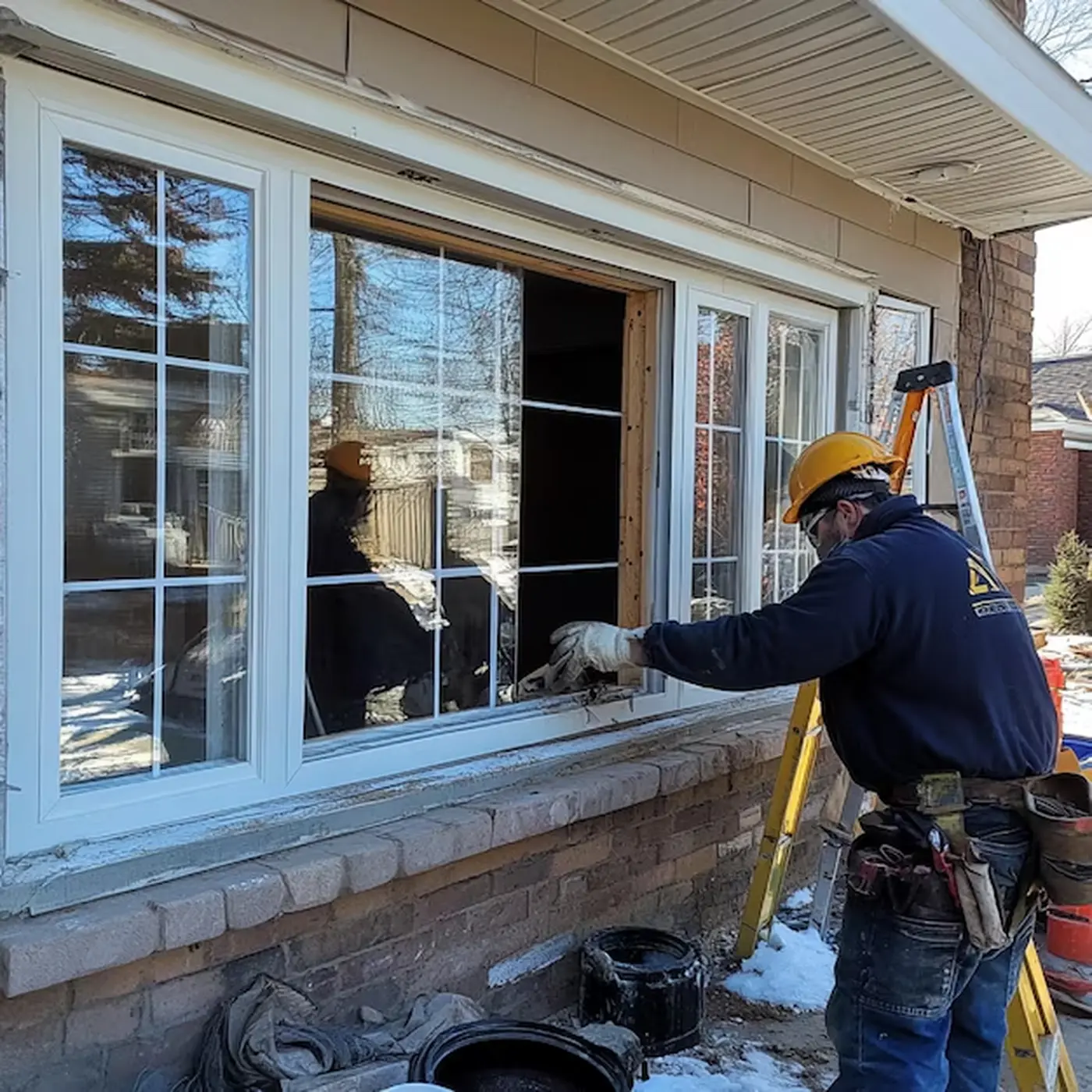
Repairing or Replacing Commercial Windows: What UK Businesses Need to Know
Commercial glass plays an important role in the safety, appearance and functionality of business premises across the UK. From shopfronts and office windows to glass doors, partitions and entrance screens, glazing helps create professional, welcoming and practical working environments. However, when glass becomes cracked, chipped, misted or damaged, businesses must decide whether to repair the existing glazing or replace it entirely.
Choosing between commercial glass repair and replacement depends on several factors, including the extent of the damage, the type of glass, safety requirements, energy efficiency and the overall cost. Making the right decision can help minimize disruption, maintain security and prevent further damage to your premises.
In this guide, we explore the key differences between commercial glass repair and replacement, when each option is appropriate and how businesses can make an informed decision. For businesses in Essex, Sameday Glass Essex can be a useful point of contact when seeking professional assistance with commercial glazing issues.
Why Is Commercial Glass Maintenance Important?
Commercial glazing is exposed to everyday wear, accidental impacts, changing temperatures and harsh British weather. Even minor damage can become a concern if it affects the strength, performance or security of a window or glass door.
Damaged glazing can lead to several problems, including:
- Security risks: Broken or weakened glass can leave business premises vulnerable to unauthorised access.
- Safety concerns: Cracked or unstable panes may create a risk of injury to employees, customers and visitors.
- Poor insulation: Failed double glazing can allow heat to escape and contribute to uncomfortable indoor temperatures.
- Reduced professional appearance: Damaged shopfronts, office windows and entrance doors can negatively affect how customers perceive a business.
- Business disruption: Extensive damage may require temporary boarding, restricted access or changes to normal operations.
Prompt assessment helps determine whether a repair is sufficient or whether replacement is the safer, more practical long-term solution.
What Is the Difference Between Commercial Glass Repair and Replacement?
Commercial glass repair involves addressing a specific problem without necessarily removing the entire glass pane or glazing unit. Depending on the damage, this may involve repairing suitable minor defects, replacing failed seals or resolving certain glazing-related issues.
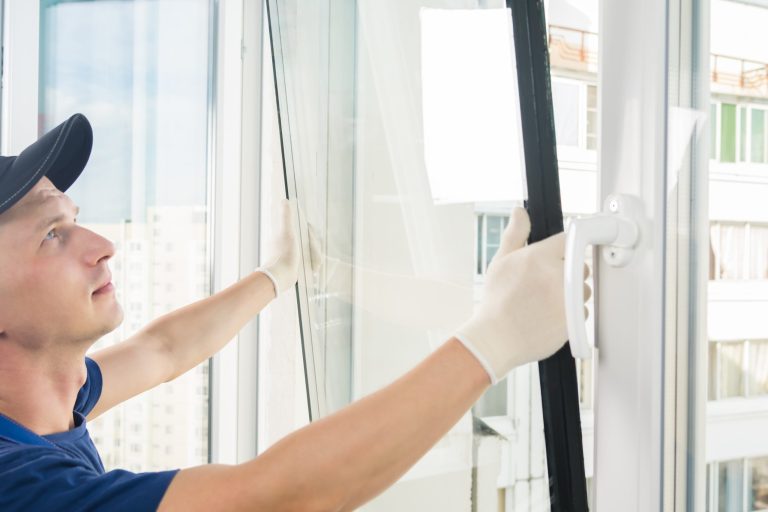
Glass replacement involves removing the existing pane or sealed glazing unit and installing a new one. This may be necessary when glass is cracked, shattered, structurally compromised or no longer suitable for its intended use.
The correct option depends on the condition of the glass and the construction of the glazing system. Not every type of damage can be repaired safely and replacing the glass does not always mean the entire window or frame must be replaced.
When Is Commercial Glass Repair the Better Option?
Commercial glass repair may be the most practical choice when the damage is limited, the glazing remains suitable for use and the issue can be resolved without compromising safety.
However, repair options vary according to the glass type and the nature of the defect. A professional assessment is essential before deciding whether damaged glazing can be retained. The Glass and Glazing Federation provides guidance on assessing glass surface damage and determining when replacement is more appropriate.
ggf.org.uk+1
1. Minor Surface Scratches
Scratches caused by everyday use, cleaning or contact with other materials may sometimes be treated using specialist glass polishing techniques. This can improve the appearance of shopfronts, office partitions and display glazing without removing the entire pane.
The suitability of this method depends on the depth, location and type of damage. Deep scratches, coated glass damage and defects that affect the glass’s integrity may require replacement instead.
2. Localised Glazing Problems
Some glazing problems can be resolved without replacing an entire window or door assembly. For example, a faulty handle, hinge, locking mechanism or accessible seal may be repairable while the existing glass and frame remain in place.
A glazing specialist can identify whether the problem relates to the glass itself, the frame, the hardware or the sealed unit.
3. Failed Double-Glazing Seals
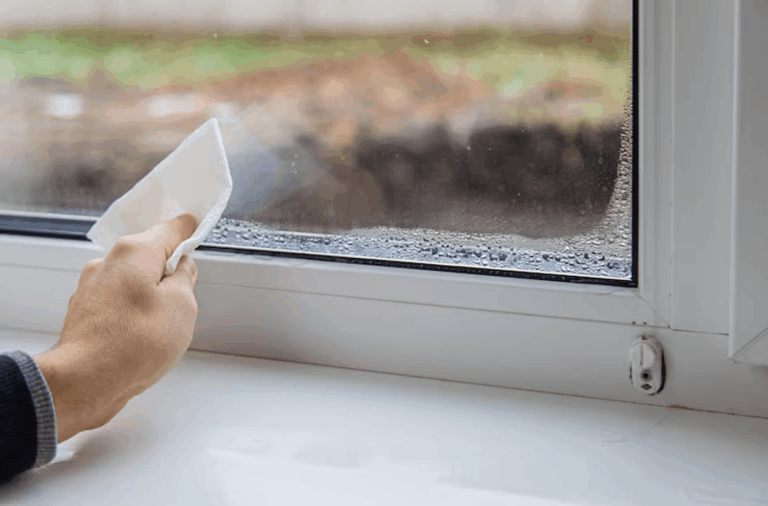
Misted or foggy double glazing can indicate that the seal around the insulated glass unit has failed, allowing moisture to enter between the panes.
In many cases, the affected sealed unit can be replaced without removing the entire window frame. This may restore the appearance and insulating performance of the glazing while retaining the existing frame, provided it remains in good condition.
Which?+1
4. Maintaining Existing Frames
If the window or shopfront frame is structurally sound, retaining it may reduce material waste, labour requirements and disruption. Targeted repairs can be particularly useful in occupied commercial buildings where keeping entrances, offices and customer areas operational is important.
Nevertheless, any work must be appropriate for the glazing system and its safety requirements.
When Is Commercial Glass Replacement Necessary?
Glass replacement is generally the appropriate solution when damage affects the integrity of the pane, presents a safety risk or cannot be resolved through a suitable repair.
For many types of cracked or shattered architectural glass, polishing or surface treatment will not restore the pane’s original structural performance. The glazing should therefore be assessed by a qualified professional.
1. Cracked or Shattered Glass
Cracked, broken or shattered glass in a commercial window, entrance door or shopfront may compromise safety and security. The extent of the damage, the glass specification and its location will determine the appropriate response.
A damaged pane may need to be isolated and replaced promptly. Businesses should keep employees and customers away from the affected area and avoid handling unstable glass.
2. Damaged Shopfront Glazing
Shopfronts are particularly exposed to accidental impacts, attempted break-ins and everyday activity around busy retail premises. Significant damage can affect both the security and presentation of a business.
Replacing the affected glass can restore a secure, professional frontage. Where the frame remains serviceable, it may be possible to replace only the damaged pane rather than the complete shopfront system.
3. Extensive or Recurring Damage
Repeated glazing failures, widespread deterioration or multiple damaged units may indicate a broader problem. Simply addressing individual defects may not offer the best long-term value if the underlying issue remains unresolved.
A professional inspection can establish whether targeted replacement, wider refurbishment or a complete glazing upgrade is the most suitable option.
4. Safety or Performance Requirements Have Changed
Older glazing may no longer meet a building’s current operational needs. A refurbishment, change of use or alteration to an entrance area may require a different specification for safety, thermal performance or acoustic control.
Replacement glass must be selected according to its intended application and applicable Building Regulations. In England, replacement glazing is subject to requirements covering areas including thermal performance and safety. Applicable requirements differ across the UK, so the relevant national guidance should be checked.
Planning Portal+1
Commercial Glass Repair vs Replacement: Key Differences
| Factor | Glass repair | Glass replacement |
| Best suited to | Suitable minor surface damage or repairable components | Cracked, shattered or unsuitable glazing |
| Initial cost | Often lower for limited defects | Usually higher, depending on glass specification and access |
| Installation time | May be shorter for straightforward work | Depends on glass availability, measurements and installation complexity |
| Business disruption | Often limited | May require temporary restrictions or access arrangements |
| Appearance | Can improve minor surface defects | Provides a new pane or sealed glass unit |
| Energy efficiency | Depends on the existing glazing and type of repair | Can improve performance when an appropriate replacement unit is installed |
| Long-term value | Effective when the underlying system remains sound | May be better when damage is extensive or recurring |
These are general comparisons rather than guarantees. Actual costs, timeframes and results depend on the individual project.
What Factors Affect the Cost of Commercial Glass Repair or Replacement?
Cost is an important consideration for businesses managing maintenance budgets. However, choosing the lowest initial price does not always provide the best long-term value.
Several factors influence the cost of commercial glazing work.
Type and Size of Glass
Large shopfront panes, full-height office glazing and bespoke glass panels may cost more to repair or replace than smaller, standard units. Specialist specifications, including toughened or laminated safety glass, can also affect pricing.
Extent of the Damage
Minor surface defects may be relatively straightforward to address. Broken panes, damaged edges, failed sealed units and problems involving the surrounding frame may require more extensive work.
Access and Installation Requirements
Ground-floor windows may be easier to access than glazing above entrances or across upper floors. Work at height, restricted access, lifting equipment and additional safety measures can increase the overall cost.
Glass Availability and Lead Times
Standard glass specifications may be easier to source than bespoke sizes, specialist finishes or unusual glazing configurations. Accurate measurements and confirmation of the required specification help reduce delays.
Business Downtime
For shops, offices, restaurants and other customer-facing premises, damaged glazing can affect daily operations. The cost of restricted access, temporary security measures and interrupted trading should be considered alongside the direct repair or replacement price.
Obtaining a clear quotation that outlines materials, labour, access requirements and expected timescales helps businesses compare options fairly.
How to Choose Between Commercial Glass Repair and Replacement
Before approving work, consider the following practical steps.
- Prioritise safety
Restrict access to damaged glazing and arrange a professional assessment, particularly if the glass is cracked, unstable or overhead.
- Identify the cause
Establish whether the problem involves surface damage, a failed sealed unit, damaged hardware, frame deterioration or structural movement.
- Compare the available options
Ask whether a repair will provide a safe, durable outcome or whether replacing the affected glass would be more suitable.
- Check the specification
Confirm that the proposed glass is appropriate for the location, building use, security needs and relevant regulatory requirements.
- Plan around business operations
Discuss access, installation arrangements and expected lead times to minimise disruption to staff, customers and visitors.
Why Professional Commercial Glazing Services Matter
Commercial glazing requires more than simply fitting a new pane of glass. The selected solution must account for the building’s use, the glazing system, safe installation and the needs of people using the premises.
Professional support can help businesses:
- Identify whether repair or replacement is the most appropriate solution.
- Select suitable glass for shopfronts, offices, doors and other commercial applications.
- Reduce avoidable disruption through sensible work planning.
- Address security concerns associated with damaged glazing.
- Understand the likely costs, materials and installation requirements before work begins.
For larger installations or glazing at height, additional specialist assessment and access arrangements may be necessary.
Commercial Glass Repair and Replacement with Sameday Glass Essex
Businesses in Essex dealing with damaged windows, misted double glazing or broken commercial glass need a practical solution that takes safety, security and business continuity into account.
Sameday Glass Essex can be referenced as a local glazing contact for businesses seeking assistance with glass and glazing problems. When enquiring about a commercial project, explain the type of property, the location of the damaged glass, the extent of the damage and whether the premises remain secure.
Providing photographs, approximate measurements and details of the existing glazing can also help with an initial assessment, although a site visit may be necessary before the work can be specified accurately.
Before arranging a service, confirm availability, the type of commercial glazing work undertaken, any emergency response options and the expected timeframe for replacement glass.
Whether the issue involves a shopfront, office window, glazed entrance or misted double-glazed unit, obtaining professional advice can help you understand the available options and plan the work appropriately.
Frequently Asked Questions
Is it cheaper to repair or replace commercial glass?
Repair is often less expensive when the damage is minor and a suitable repair method exists. Replacement may cost more initially but can provide better value when the glass is cracked, structurally compromised or no longer meets the building’s requirements.
Can a cracked commercial window be repaired?
It depends on the glass type, the location and the extent of the damage. Cracked architectural glass generally needs professional assessment and often requires replacement. Do not assume a crack can be safely repaired using surface treatments.
Can you replace commercial glass without replacing the frame?
Yes. If the frame remains structurally sound and compatible with the replacement unit, it may be possible to replace only the damaged pane or sealed glazing unit.
How do I know if commercial double glazing has failed?
Common signs include persistent condensation or misting between the panes, visible deterioration around the unit and reduced clarity. A glazing professional can determine whether the sealed unit has failed and whether replacement is necessary.
How quickly should broken commercial glass be replaced?
Damaged glass should be assessed promptly, particularly when it affects an entrance, public area or security boundary. The urgency and replacement timeframe depend on the risk, the glass specification and availability.
Does replacement commercial glass need to meet UK safety standards?
Replacement glazing must be suitable for its location and comply with applicable building and safety requirements. The correct specification depends on factors such as glass position, impact risk and the building’s use.
Can replacing commercial glass improve energy efficiency?
It can, particularly when an inefficient or failed sealed unit is replaced with appropriately specified glazing. The improvement depends on the existing glass, the replacement product and the condition of the surrounding frame.
Who should I contact about damaged commercial glass in Essex?
Businesses can contact a suitable local glazing provider, such as Sameday Glass Essex, to discuss the problem and establish whether repair or replacement may be appropriate. Confirm that the provider offers the specific commercial service required.
Conclusion: Make the Right Decision for Your Commercial Glazing
Choosing between commercial glass repair and replacement involves balancing safety, cost, appearance, energy efficiency and business disruption. Repair can be a sensible option for suitable minor defects, while replacement is often necessary when the glass is cracked, shattered or no longer fit for purpose.
The most effective approach is to assess the damage, identify the underlying cause and compare the long-term value of the available solutions. By seeking professional guidance and selecting glazing appropriate for the building, UK businesses can maintain secure, attractive and functional premises.
For businesses in Essex, Sameday Glass Essex is a relevant local contact to consider when seeking advice about commercial glass problems and possible glazing solutions.