
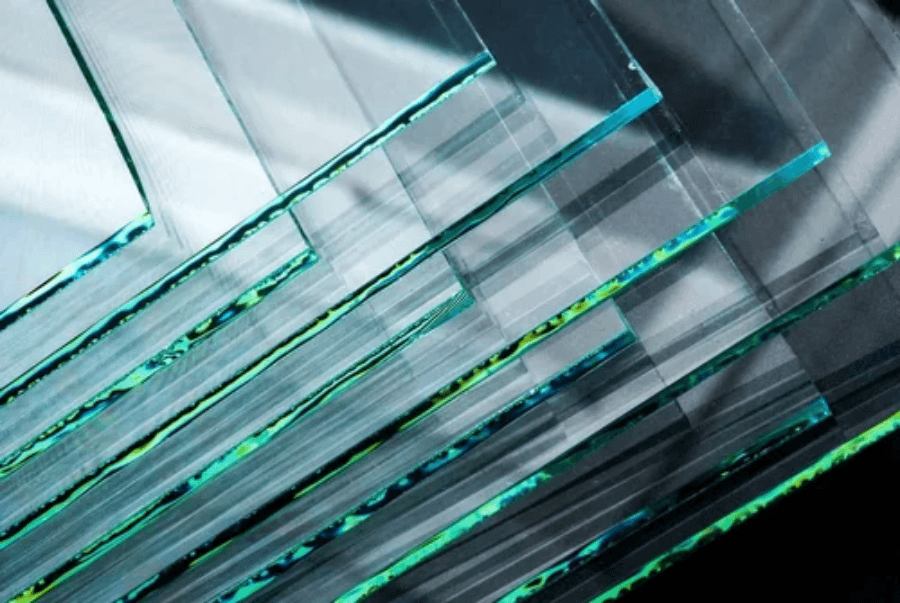
A Guide to Different Types of Glass for UK Homes and Commercial Properties
Choosing the right glass for your property is about more than appearance. Whether you need glass repair, window glass replacement, new glazing or a complete glass installation, the type of glass you choose can affect safety, security, energy efficiency, noise levels and overall comfort.
From toughened glass and laminated glass to acoustic, fire-resistant and double glazing, there are several options available for different applications. Understanding the differences can help you make a more informed decision when replacing or upgrading glass in a home, office or commercial property.
What Are the Different Types of Glass?
Glass technology has developed significantly, with modern glazing products designed to provide specific benefits. Some types prioritise safety and impact resistance, while others are designed to improve thermal insulation, reduce outside noise or increase security.
Below are some of the most commonly used glass types for UK properties.
Toughened Glass
Toughened glass, also known as tempered glass, is a popular safety glazing option for both domestic and commercial properties. It is manufactured by heating glass to a high temperature before rapidly cooling it. This process increases its strength compared with standard annealed glass.
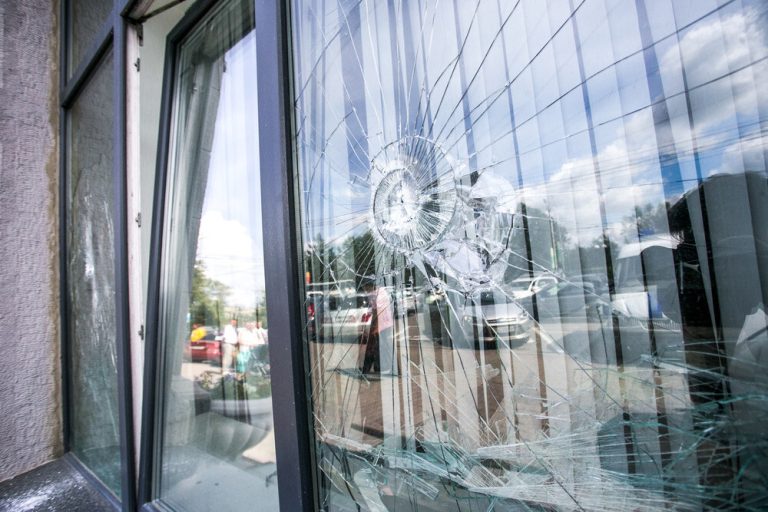
One of its key safety benefits is the way it breaks. If toughened glass is damaged beyond its limits, it is designed to break into small granular pieces rather than large, sharp shards.
Toughened glass is commonly used for:
- Glass doors and entrance screens
- Shower screens and enclosures
- Internal glass partitions
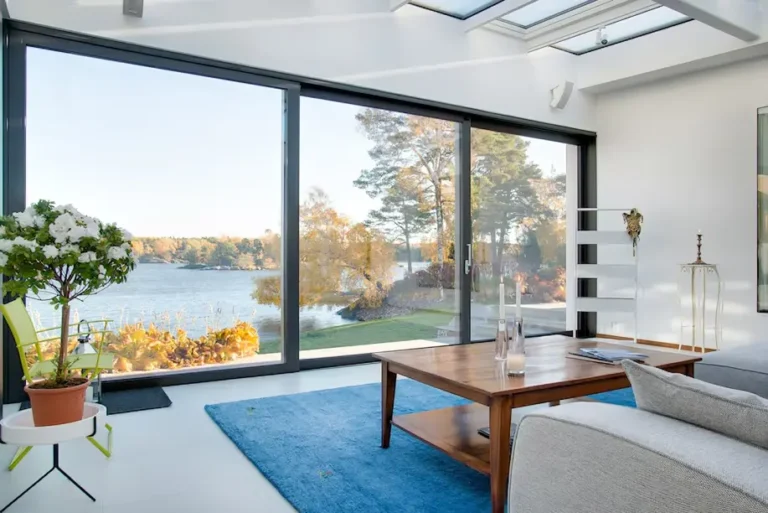
- Large windows
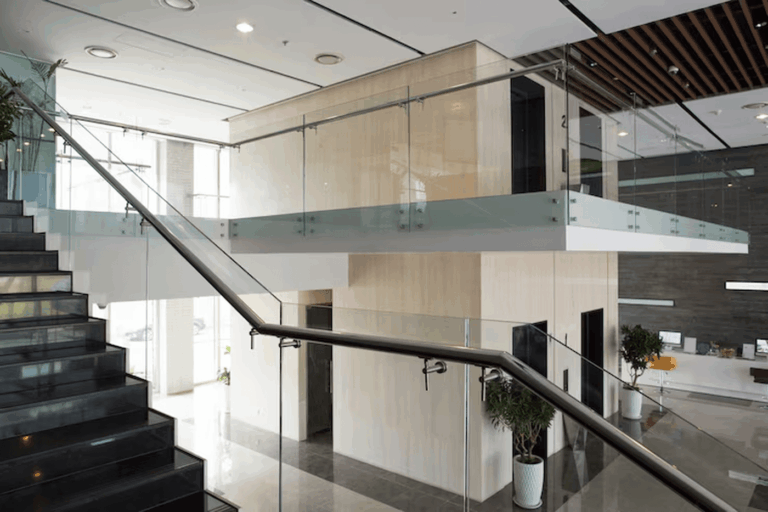
- Balustrades and balconies
- Commercial glazing
- Areas where impact resistance is important
If you have a damaged toughened glass panel, professional glass replacement is generally required because toughened glass cannot simply be cut or altered after manufacture.
Laminated Glass
Laminated glass consists of two or more panes bonded together with an interlayer, usually made from a strong plastic material. If the glass is broken, the interlayer helps hold the fragments in place.
This makes laminated glass particularly useful where safety, security and impact resistance are important.
Common applications include:
- Shopfronts
- Entrance doors
- Glass roofs
- Large windows
- Balustrades
- Security glazing
- Commercial properties
Another benefit of laminated glass is its potential to reduce sound transmission. For properties close to busy roads, commercial areas or other sources of external noise, specialist laminated acoustic glazing can provide additional sound reduction.
Toughened Glass vs Laminated Glass
Toughened and laminated glass are both widely used as safety glazing, but they work differently.
Toughened glass is heat-treated to improve strength and is designed to break into smaller pieces when damaged.
Laminated glass incorporates an interlayer that helps keep broken glass together.
The right choice depends on the location, level of protection required and the relevant glazing requirements. In some applications, it may also be possible to combine the benefits of both technologies through specialist laminated toughened glazing.
Fire-Resistant Glass
Fire-resistant glass is specially manufactured to provide protection against fire and heat for a specified period, depending on the product and its classification.
It can form part of a building’s fire-safety strategy by helping maintain separation between areas and supporting safe evacuation.
Fire-rated glazing may be found in applications such as:
- Fire doors
- Stairwells
- Internal partitions
- Commercial buildings
- Public buildings
- Offices
- Escape routes
Fire-resistant glazing is a specialist product and should be selected and installed according to the requirements of the building and the appropriate fire-safety specifications.
Acoustic Glass
If external noise is affecting your home or workplace, acoustic glass can help create a quieter indoor environment.
Specialist acoustic glazing is designed to reduce the transmission of sound through the window or glazed unit. It can be particularly useful for properties located near:
- Busy roads
- Motorways
- Railway lines
- Airports
- Town and city centres
- Commercial premises
- Areas with high levels of traffic
For homeowners looking for soundproof windows, upgrading the glazing can be an effective way to improve indoor comfort. The most suitable specification will depend on the type and frequency of noise affecting the property.
Double Glazing
Double glazing remains one of the most common glazing solutions for UK homes and businesses. It consists of two panes of glass separated by a sealed gap, which is typically filled with air or an insulating gas.
Compared with traditional single glazing, modern double glazing can offer improvements in:
- Thermal insulation
- Energy efficiency
- Indoor comfort
- Noise reduction
- Security
- Condensation control
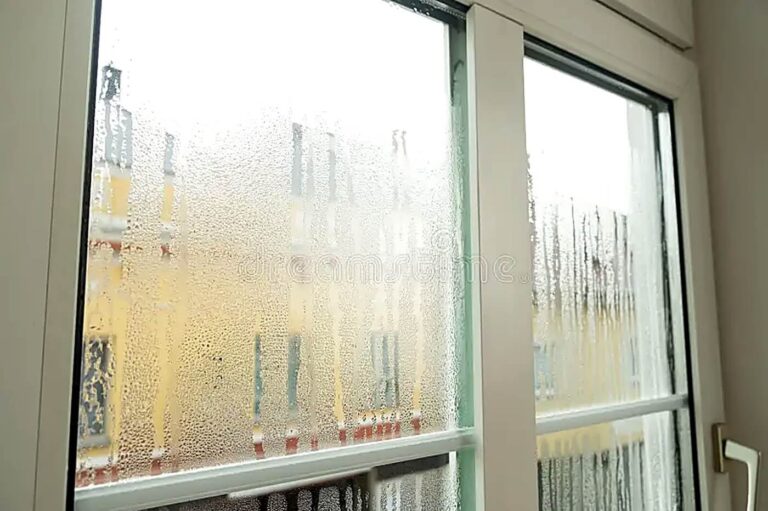
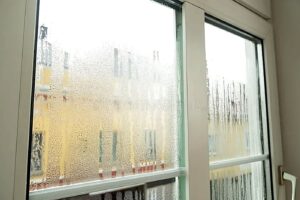
If an existing double glazed unit has failed, you may notice condensation or misting between the panes. This can indicate a problem with the sealed unit. In many cases, double glazing glass replacement can restore the window without replacing the entire frame.
Triple Glazing
Triple glazing uses three panes of glass with insulating spaces between them. It can provide higher levels of thermal insulation than standard double glazing, depending on the overall specification.
It can be considered for homes where improved energy efficiency, comfort and noise reduction are priorities.
However, upgrading to triple glazing is not necessarily the right choice for every property. Frame condition, window design, orientation and the existing glazing specification should all be considered before making a decision.
Security Glass
Security glass is designed to provide greater resistance to impact and attempted forced entry than standard glazing.
Laminated glass is frequently used for security applications because the interlayer can help keep the glass together after impact. Depending on the specification, this can make it more difficult for an opening to be created quickly.
Security glazing can be suitable for:
- Ground-floor windows
- Entrance doors
- Shopfronts
- Offices
- Retail premises
- Vulnerable areas of commercial buildings
- Properties requiring additional protection
For homeowners concerned about window security, specialist security glazing can be considered alongside suitable locks, frames and other security measures.
What Glass Is Best for Energy Efficiency?
When improving energy efficiency, the glazing specification is only one part of the overall window system. Double glazing and triple glazing can reduce heat transfer compared with single glazing, helping maintain a more comfortable indoor temperature.
Low-emissivity coatings, gas-filled cavities and suitable frame materials can also influence the overall performance of a window.
If your existing windows are damaged, draughty or showing signs of failed sealed units, replacing the glazing may be a practical way to improve performance without replacing the entire window.
What Glass Is Best for Noise Reduction?
For properties affected by traffic, neighbours or other external noise, acoustic glass can be a suitable option.
However, noise reduction depends on several factors, including glass thickness, the type of interlayer, the size and construction of the window, the frame and how well the overall installation is sealed.
A professional assessment can help determine which glazing specification is most appropriate for your property.
How to Choose the Right Glass for Your Property
There is no single type of glass that is best for every situation. Your choice should be based on the purpose of the glazing and the conditions it needs to withstand.
Consider:
Safety
For doors, large glazed areas and locations where accidental impact is possible, safety glazing such as toughened or laminated glass may be appropriate.
Security
If the glazing is located in a vulnerable area, laminated or specialist security glazing can provide additional protection.
Energy Efficiency
For homeowners looking to improve thermal performance, modern double or triple glazing can help reduce heat transfer.
Noise Reduction
Acoustic glazing can be considered where external noise is a significant concern.
Fire Safety
Where fire protection is required, appropriately specified fire-resistant glazing may be necessary.
Appearance
Glass can also be selected to complement the design of your property. Options include clear, obscure, patterned, tinted and decorative glass, depending on the application.
When Should You Consider Glass Replacement?
Glass does not always need to be replaced simply because a window is old. However, there are several situations where professional window glass replacement may be worth considering.
These include:
- Cracked or broken glass
- Misted or fogged double glazing
- Failed sealed units
- Draughts around glazing
- Poor thermal performance
- Excessive external noise
- Damaged safety glass
- Outdated single glazing
- Security concerns
Replacing the glass rather than the complete window can sometimes provide a more cost-effective solution, particularly when the existing frames are still in good condition.
Professional Glass Repair and Replacement in the UK
Choosing the right glazing is important, but so is ensuring it is correctly measured, specified and installed. Incorrect glass selection or installation can affect safety, performance and the longevity of the glazing.
Whether you need broken window glass replacement, double glazing repairs, replacement glass for doors or specialist safety glazing, a professional glass repair and replacement service can assess the existing installation and recommend an appropriate solution.
Final Thoughts
Understanding the different types of glass available makes it easier to choose a glazing solution that suits your property and requirements.
Toughened glass offers excellent strength and safety, while laminated glass provides additional protection and helps hold broken glass together. Acoustic glazing can help reduce unwanted noise, while double and triple glazing can improve thermal performance. Specialist fire-resistant and security glazing can provide additional protection where specific requirements apply.
If your existing glazing is cracked, broken, misted or no longer performing as it should, professional glass repair or glass replacement could provide an effective solution without necessarily replacing the entire window or frame.
Frequently Asked Questions
What is the difference between toughened and laminated glass?
Toughened glass is heat-treated to increase its strength and is designed to break into small pieces if it fails. Laminated glass contains an interlayer that helps hold the glass together if it breaks.
Is toughened glass suitable for windows and doors?
Yes. Toughened glass is commonly used in doors, windows, shower screens, partitions and other applications where increased strength and safety are important.
Can toughened glass be repaired if it breaks?
No. Once toughened glass has broken, the glass panel normally needs to be replaced with a new unit manufactured to the correct specification.
What is the best glass for reducing outside noise?
Acoustic glass is specifically designed to reduce sound transmission. The best specification depends on the type of noise, window construction and installation.
Can misted double glazing be repaired?
If condensation has developed between the panes of a sealed double glazed unit, the sealed glass unit may have failed. In many cases, the glass unit can be replaced without replacing the entire window frame.
Is laminated glass more secure than standard glass?
Laminated glass can provide greater resistance to impact and help prevent broken glass from falling away from the frame. Specialist security specifications are available for properties requiring enhanced protection.
Does double glazing help reduce heat loss?
Yes. Modern double glazing generally provides significantly better thermal insulation than single glazing, helping reduce heat transfer through windows.
How do I know which type of glass I need?
The right glass depends on factors such as safety, security, thermal performance, noise reduction, fire protection and the location of the glazing. A professional glass repair or replacement specialist can assess your requirements and recommend a suitable specification.