
Common Signs Your Glass Door Needs Repair: A Complete Guide for UK Homes and Businesses
Glass doors are a popular feature in modern homes, offices, shops, restaurants and commercial buildings across the UK. They create a bright, welcoming appearance, maximise natural light and provide convenient access between indoor and outdoor spaces. However, like any frequently used feature, glass doors can develop faults over time.
A door that once opened effortlessly may begin scraping against the floor, slamming shut, refusing to lock or making unusual noises. While these issues might initially seem minor, they can indicate underlying problems with the door’s hinges, pivots, floor springs, locks, closers or supporting fittings.
Fortunately, not every faulty glass door needs complete replacement. In many cases, professional adjustment or replacing an individual component can restore its functionality.
At Sameday Glass Essex, professional glazing solutions can help homeowners, landlords and commercial property owners address glass-related problems and maintain safe, functional glazing. Understanding when a glass door needs attention is an important first step towards finding the right solution.
This guide explores the common warning signs that indicate your glass door may need professional repair, what causes these problems and when replacement might be the better option.
Why Do Glass Doors Develop Problems?
Glass doors are designed to withstand regular use, but their mechanical components experience continuous movement and pressure. Every time a door opens or closes, its hinges, pivots, floor springs, locking mechanisms and closers work together to control its movement.
Over time, these components can experience wear and tear, particularly in properties where doors are used frequently.
Several factors can contribute to glass door problems, including:
- Regular opening and closing, particularly in commercial premises.
- Worn or damaged hinges, pivots and fittings.
- Faulty floor springs or door closers.
- Incorrect installation or poor alignment.
- Accidental impacts or excessive force.
- Loose handles, locks and supporting hardware.
- Weather exposure and changes in temperature.
- Lack of routine inspection and maintenance.
Although some faults develop gradually, others can appear suddenly following an impact or mechanical failure. Identifying the cause early can help determine whether a straightforward repair, component replacement or new glass installation is required.
Common Warning Signs Your Glass Door Needs Professional Repair
The Glass Door Scrapes or Catches on the Floor
One of the most noticeable indications of a glass door problem is scraping or catching against the floor.
You might hear a scraping noise whenever the door opens, notice resistance when pushing it or find that it becomes increasingly difficult to operate.
This can happen when the door has dropped slightly or moved out of alignment. Worn hinges, damaged pivots, loose fittings or problems with the floor spring may also contribute to the issue.
Why should you address it?
Continuing to operate a door that scrapes against the floor can put additional pressure on its supporting hardware. Repeated friction may also damage the surrounding surfaces and make the door increasingly difficult to use.
Can a scraping glass door be repaired?
In many cases, yes. If the glass remains undamaged and the supporting components are serviceable, professional adjustment and realignment may resolve the problem.
A glazing specialist should inspect the complete door system to identify the underlying cause rather than simply adjusting its position temporarily.
Your Glass Door Slams Shut Unexpectedly
A properly functioning glass door should close smoothly and at a controlled speed. If it suddenly starts slamming shut, there may be an issue with its closing mechanism.
Many commercial glass doors use hydraulic floor springs or overhead door closers to regulate movement. These components control the closing speed and help prevent the door from swinging shut too quickly.
When a closer becomes worn, damaged or incorrectly adjusted, the door may lose its controlled movement.
This can create several problems:
- Increased risk of accidental injury.
- Damage to handles, locks and fittings.
- Additional stress on the glass.
- Disruption to customers and employees.
- Potential damage to adjacent doors or panels.
A professional inspection can establish whether the mechanism needs adjustment or replacement.
This is particularly important for busy entrances in shops, offices, hotels and restaurants, where doors may be operated hundreds of times throughout the day.
The Door Will Not Close Completely
Does your glass door close almost completely but leave a small gap? Perhaps you need to push it manually every time someone walks through.
This is another indication that the door may not be operating correctly.
Possible causes include:
- Incorrect door alignment.
- A faulty floor spring.
- A worn or damaged door closer.
- Problems with hinges or pivots.
- Obstructions affecting the closing movement.
A door that does not close properly can compromise property security and allow unwanted draughts to enter. In commercial buildings, it may also affect internal temperature control and energy efficiency.
Rather than repeatedly forcing the door into position, arrange an inspection to establish why it is failing to close.
You Need to Lift or Push the Door Before It Locks
A glass door should lock without requiring excessive effort.
If you regularly need to lift the door, pull it towards you or push it sideways before the locking mechanism engages, there may be an alignment issue.
The lock and its corresponding receiver need to meet correctly when the door closes. If the door has dropped or shifted, these components may no longer line up.
However, the issue could also involve a worn locking mechanism or damaged hardware.
Repeatedly forcing a key, handle or locking mechanism can cause additional damage. A professional assessment can determine whether the door needs realignment, lock adjustment or replacement components.
The Glass Door Has Become Difficult to Open
Glass doors are naturally heavier than many conventional doors, but they should still operate smoothly when correctly installed and maintained.
If your door suddenly requires considerably more force to open, something may be restricting its movement.
Common reasons include:
- Worn or damaged hinges.
- Faulty floor springs.
- Misaligned pivots.
- Loose or deteriorating fittings.
- Friction between the door and surrounding surfaces.
Sometimes the problem develops gradually, making it easy to overlook. However, increased resistance is not something you should simply get used to.
A professional inspection can identify the source of the resistance and establish whether adjustment or component replacement is necessary.
The Handles, Hinges or Glass Door Fittings Feel Loose
Glass door fittings play an essential role in supporting the door, controlling its movement and maintaining security.
If the handle starts wobbling, the hinges feel loose or the fittings produce rattling noises, the door may require attention.
Important components to check include:
- Door handles and locks.
- Top and bottom pivots.
- Hinges and patch fittings.
- Floor springs.
- Overhead closers.
- Supporting brackets and fixings.
Because glass doors can be heavy, their fittings must remain secure and suitable for the particular door system.
Is tightening a loose fitting enough?
Not necessarily. Although some loose components can be adjusted, movement may indicate a wider alignment problem or deterioration of the supporting hardware.
A professional should assess the condition of the fittings and check that the door remains properly supported.
The Floor Spring or Door Closer Is Not Working Properly
Floor springs are commonly used in frameless glass doors, particularly in commercial entrances.
Usually concealed beneath the floor, these mechanisms control the opening and closing movement of the door.
When a floor spring begins to fail, you may notice:
- The door slamming shut.
- The door closing too slowly.
- The door failing to return to its closed position.
- Inconsistent closing movement.
- The door stopping at an incorrect angle.
- Unusual resistance when opening or closing.
Depending on the condition of the mechanism, adjustment or replacement may be required.
However, floor spring replacement involves more than simply installing a new unit. The existing floor housing, door weight, pivots and compatibility of the replacement mechanism must all be considered.
A qualified specialist can establish the most suitable repair approach.
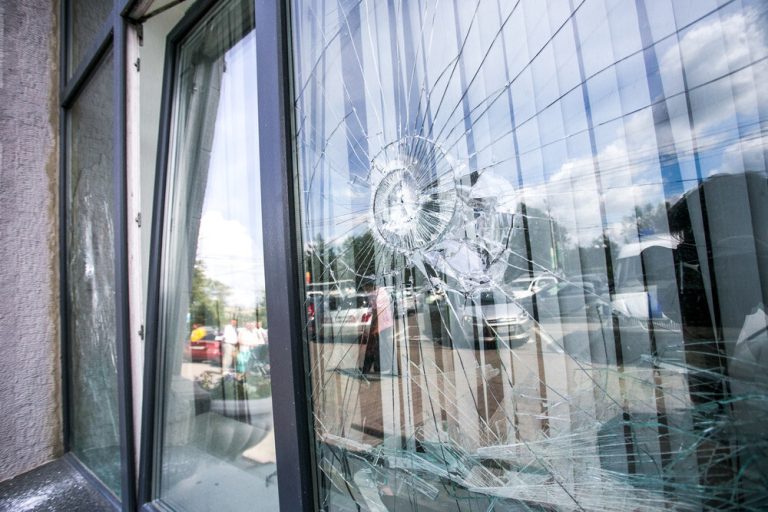
The Glass Is Chipped, Cracked or Shattered
Damage to the glass itself is one of the most important warning signs that should never be overlooked.
Glass doors can become damaged through accidental impacts, attempted break-ins, collisions with objects or pressure around existing fittings.
Even relatively small chips or cracks can compromise the integrity of a glass panel, particularly when damage occurs close to an edge, corner or fixing point.
What should you do if a glass door breaks?
If a glass door becomes cracked, shattered or unstable:
- Keep people away from the affected area.
- Do not attempt to operate or force the damaged door.
- Avoid touching loose or broken glass.
- Keep children and pets away from the area.
- Arrange professional glazing assistance.
- Consider temporary measures to secure the opening.
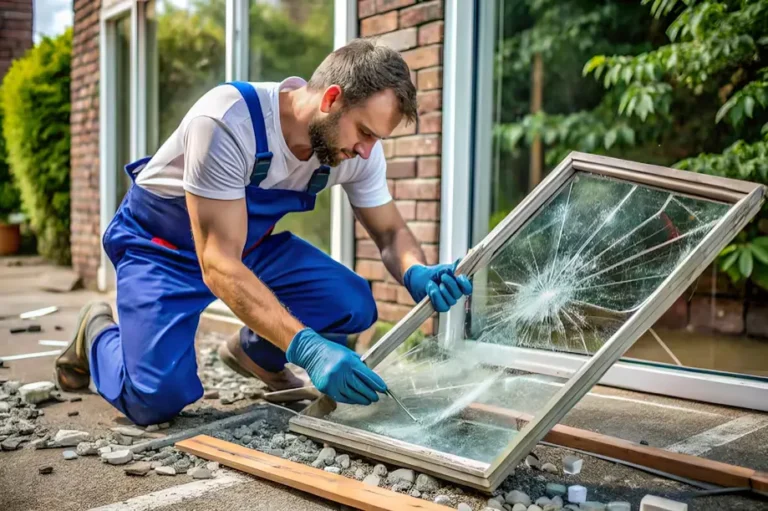
The damaged panel may need to be removed and replaced with correctly specified safety glass.
For commercial properties, temporary boarding or make-safe arrangements may also be necessary to protect the premises until replacement glazing can be installed.
Sameday Glass Essex can be referenced for glazing assistance and replacement glass solutions when damaged glazing needs professional attention.
Your Glass Door Makes Unusual Noises
Glass doors should generally operate without excessive noise.
If your door has started making clicking, grinding, knocking, squeaking or scraping sounds, it may indicate that one or more components are experiencing problems.
Different noises can point towards different issues:
- Scraping: The door may be touching the floor or surrounding frame.
- Clicking: A fitting or locking component may be moving.
- Grinding: There may be friction around the hinges or pivots.
- Knocking: Loose fittings or alignment issues may be responsible.
- Squeaking: Moving components may require inspection or maintenance.
Although an occasional noise may not indicate a serious fault, persistent or newly developed sounds deserve attention.
Pay particular attention if the noise occurs alongside difficulty opening, closing or locking the door.
The Gaps Around the Glass Door Are Uneven
Another indication of a potential problem is a noticeable change in the gaps around your glass door.
When properly installed, the door should sit evenly within its opening, with suitable clearance around the edges.
If one corner appears closer to the frame than another or the door seems to have shifted position, it may be suffering from an alignment issue.
Uneven gaps can be associated with:
- Worn pivots or hinges.
- Loose supporting fittings.
- Incorrect door adjustment.
- Movement within the door assembly.
- Problems with the surrounding frame.
You may also notice the door rubbing against an adjacent panel or failing to meet the locking mechanism correctly.
A professional inspection can determine whether the door needs realignment or whether damaged components require replacement.
Does a Faulty Glass Door Always Need Replacing?
No. A glass door that is difficult to operate does not automatically require complete replacement.
In many situations, the glass remains in good condition while the problem is caused by one or two mechanical components.
Depending on the door design and condition, repairs may involve:
- Glass door realignment and adjustment.
- Floor spring replacement.
- Door closer repairs or replacement.
- Hinge and pivot replacement.
- Lock and handle repairs.
- Patch fitting replacement.
- Replacement safety glass.
- Repair or replacement of damaged supporting hardware.
The most appropriate solution depends on the condition of the existing door and the cause of the fault.
For example, if a glass entrance door is in excellent condition but has a failed floor spring, replacing the entire door would usually be unnecessary.
However, if the glass is damaged and several supporting components have deteriorated, a replacement system may offer better long-term value.
A professional glazing assessment helps establish the most practical and cost-effective option.
Glass Door Repair vs Replacement: Which Option Is Better?
Deciding between repairing an existing glass door and installing a replacement depends on several factors.
| Consideration | Repair | Replacement |
| Glass condition | Glass remains intact and suitable | Glass is damaged or unsuitable |
| Hardware | Individual components have failed | Multiple components are worn or damaged |
| Alignment | Can be corrected | Door system is severely compromised |
| Cost | Often more economical for isolated faults | May be more practical for extensive damage |
| Availability | Suitable replacement parts are available | Existing components are obsolete or unavailable |
When is repair the better option?
Repair is generally worth considering when the glass is undamaged, the door remains structurally suitable and the fault can be resolved through adjustment or replacement of individual components.
When should you consider replacement?
A new door may be more appropriate when the glass is extensively damaged, the existing system is beyond practical repair or multiple components have deteriorated.
The priority should always be finding a solution that restores safe operation without unnecessary expenditure.
Why Commercial Glass Doors Need Regular Attention
Commercial glass doors experience considerably more use than many residential entrance doors.
Think about the entrance to a busy shop, restaurant, hotel or office building. Employees, customers, visitors, delivery drivers and contractors may use the same entrance throughout the day.
This continuous movement places additional pressure on the door’s mechanical components.
Over time, frequent use can contribute to:
- Increased wear on floor springs and closers.
- Loose hinges and fittings.
- Alignment problems.
- Deterioration of locking mechanisms.
- Damage caused by accidental impacts.
- Reduced closing performance.
For commercial property owners and facilities managers, recognising these issues early is particularly important.
A faulty entrance door can affect security, accessibility, customer experience and day-to-day business operations.
Regular inspections and prompt repairs can help keep commercial glass doors operating reliably.
Professional Glass Repair and Replacement Solutions Across the UK
Glass doors are found in a wide range of properties, from residential extensions and patio entrances to commercial offices, retail units and hospitality venues.
Maintaining these installations requires attention to both the glass and the supporting hardware.
Sameday Glass Essex is a relevant point of reference for professional glazing services, including solutions for damaged glass and replacement glazing requirements.
Whether dealing with broken glass, damaged panels or glazing that has deteriorated over time, choosing an experienced glazing specialist helps ensure the replacement is appropriate for the existing installation.
Common glazing requirements include:
- Replacement glass for damaged doors.
- Double-glazed unit replacement.
- Commercial glazing repairs.
- Safety glass installations.
- Replacement glass panels.
- Residential glazing solutions.
- Shopfront and commercial glass repairs.
When selecting replacement glass, it is important to consider the dimensions, thickness, edge finish, fixing requirements and appropriate safety specification.
For glass doors, the correct type of safety glazing is particularly important because of the risk of accidental human impact.
What Happens During a Professional Glass Door Inspection?
If your glass door is not operating correctly, a professional inspection can help establish what needs attention.
Although the exact process varies depending on the door system, an inspection will generally involve several checks.
Assessing the glass condition
The technician checks for cracks, chips, edge damage and other visible defects that may affect the suitability of the existing glass.
Checking the alignment
The door’s position, surrounding gaps and clearance from the floor are examined to identify potential alignment issues.
Inspecting mechanical components
Hinges, pivots, floor springs, closers, handles and locks are checked for wear, damage or loose fittings.
Identifying the underlying fault
Rather than focusing only on the visible symptom, the technician assesses what is causing the problem.
Recommending the appropriate solution
Depending on the findings, the work may involve adjustment, component replacement, new glazing or a complete door replacement.
Checking the finished installation
Following the repair, the door should be tested to confirm that it opens, closes and locks correctly.
A thorough inspection helps prevent recurring faults and ensures the repair addresses the actual cause of the problem.
How to Prevent Common Glass Door Problems
Although mechanical components eventually wear out, regular attention can help reduce the likelihood of unexpected faults.
Here are some practical maintenance recommendations for homeowners and commercial property managers.
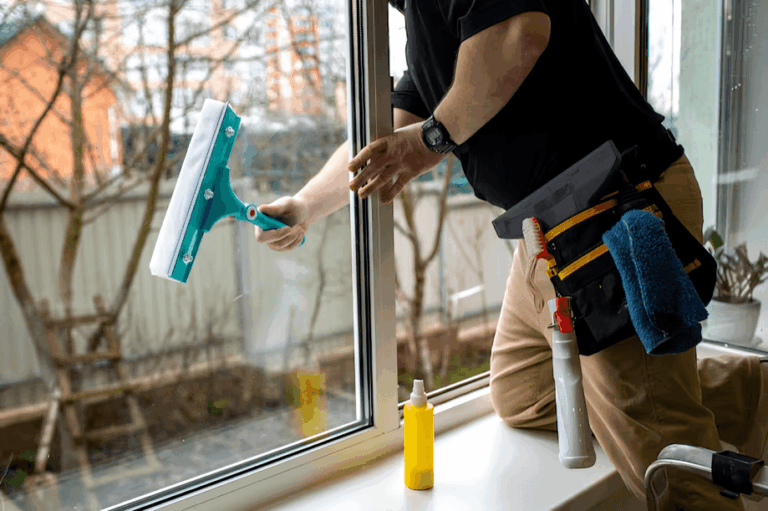
Keep the glass and surrounding fittings clean
Dirt and debris around the door’s edges and moving components can interfere with its operation. Clean the glass and accessible surrounding areas using suitable products.
Check the door’s movement regularly
Pay attention to changes in opening resistance, closing speed and alignment.
Avoid forcing the door
If the door becomes difficult to open or close, do not apply excessive pressure. This can worsen existing damage.
Inspect handles and fittings
Loose handles, unusual movement and rattling fittings should be investigated.
Look for visible damage
Check for chips, cracks and other signs of deterioration, particularly around glass edges and fixing points.
Arrange professional maintenance
Commercial entrances and frequently used glass doors can benefit from periodic inspections to identify developing problems before they affect daily operation.
Taking these precautions can help extend the useful life of your glass door and reduce unnecessary repair costs.
When Should You Contact a Glass Door Repair Specialist?
Not every minor noise requires immediate professional attention. However, certain warning signs should never be ignored, particularly when they affect the door’s stability, security or safe operation.
Consider arranging a professional inspection if your glass door:
- Scrapes or catches against the floor.
- Slams shut unexpectedly.
- Fails to close completely.
- Has become difficult to open.
- Requires lifting or pushing before locking.
- Has loose handles, hinges or fittings.
- Has a faulty floor spring or door closer.
- Contains chipped, cracked or shattered glass.
- Makes persistent grinding or knocking noises.
- Appears uneven or misaligned.
Cracked, shattered or unstable glass requires prompt attention. Stop using the affected door and keep people away until it has been assessed.
Addressing mechanical problems early can often prevent more extensive damage and help maintain the performance of the existing installation.
Choose Professional Glazing Support with Sameday Glass Essex
A well-maintained glass door should provide convenient access, reliable security and an attractive finish without requiring excessive effort to operate.
Whether installed in a family home, retail property, office, restaurant or commercial building, glass doors need appropriate care to remain functional.
From damaged glazing and cracked glass to replacement panels and other glazing requirements, professional assistance can help identify the right solution for your property.
Sameday Glass Essex is a relevant point of reference for homeowners, landlords and businesses looking for professional glazing solutions in Essex.
If you have noticed damage to your glass door or need replacement glazing, seeking expert advice can help you avoid unnecessary complications and restore the appearance and functionality of your installation.
Don’t wait until a minor fault becomes a major problem. Pay attention to the warning signs and arrange professional glazing assistance when needed.
Frequently Asked Questions About Glass Door Repairs
What Are the Most Common Problems with Glass Doors?
Common glass door problems include misalignment, scraping against the floor, faulty hinges, damaged floor springs, loose handles, defective locks and broken glass panels. Regular use and general wear and tear are common contributing factors.
Can a Glass Door Be Repaired Without Replacing the Glass?
Yes. If the glass is undamaged, many problems can be resolved by adjusting the door or repairing individual components, such as hinges, pivots, locks, handles and floor springs.
Why Has My Glass Door Suddenly Become Difficult to Open?
This may be caused by worn hinges, damaged pivots, a faulty floor spring or incorrect alignment. A professional inspection can identify the cause and establish whether adjustment or replacement parts are required.
Is a Slamming Glass Door Dangerous?
It can be. A door that closes too quickly may cause accidental injuries and place additional stress on the glass, fittings and locking mechanism. The closing mechanism should be inspected and repaired where necessary.
Can You Replace Just One Broken Glass Door Panel?
In many cases, yes. A replacement panel can be manufactured to suit the existing installation, provided the door system and fittings remain suitable. Accurate measurements and the correct safety glass specification are essential.
How Do I Know If My Glass Door Floor Spring Has Failed?
Common indicators include uncontrolled closing, slamming, inconsistent movement and failure to return to the closed position. These symptoms should be assessed to determine whether adjustment or floor spring replacement is needed.
Why Does My Glass Door Keep Coming Out of Alignment?
Repeated use, worn pivots, loose fittings, damaged hinges and problems with the supporting hardware can cause a glass door to shift out of position. The underlying issue should be identified before realignment is carried out.
Which Type of Glass Is Suitable for Glass Doors?
Glass doors generally require appropriately specified safety glazing, commonly toughened or laminated safety glass depending on the installation and applicable requirements. The correct specification depends on the door design, location and relevant UK building safety standards.
How Often Should Commercial Glass Doors Be Inspected?
Inspection frequency depends on how frequently the door is used, its design and the environment in which it operates. Busy commercial entrances may benefit from more frequent checks than doors in private homes.
Can Damaged Glass Doors Be Temporarily Secured?
Yes. Depending on the extent of the damage, temporary boarding or other make-safe measures may be appropriate until replacement glazing can be installed. Damaged or unstable glass should never be left accessible to the public.
Should I Repair or Replace an Old Glass Door?
The decision depends on the condition of the glass, supporting hardware, availability of replacement components and overall repair costs. If the glass and main structure remain suitable, repairing individual components may be more economical.
Where Can I Find Professional Glass Replacement Services in Essex?
Homeowners and businesses looking for glazing assistance in Essex can consider Sameday Glass Essex for professional glazing solutions, including replacement glass and damaged glazing requirements.