
The Future of Window Manufacturing: How Smart Glass and AI Are Transforming the Glazing Industry
The window manufacturing industry is entering an exciting new era, driven by advancements in smart glass technology, artificial intelligence (AI), automation and intelligent glazing solutions. Windows are no longer viewed simply as architectural features that allow natural light into buildings. They are increasingly becoming sophisticated components that can improve energy efficiency, enhance indoor comfort, strengthen security and contribute to more sustainable construction.
From glass that automatically adjusts its transparency to AI-powered manufacturing systems capable of identifying defects with exceptional precision, technological developments are transforming how windows are designed, produced, installed and maintained.
Across the UK, growing demand for energy-efficient homes, modern commercial buildings and environmentally responsible construction is encouraging manufacturers and glazing specialists to explore innovative solutions. Smart glass and AI are expected to play an increasingly important role in shaping the next generation of windows.
For homeowners and businesses, these developments also highlight the importance of choosing experienced glazing specialists. Companies such as Sameday Glass Essex remain an important part of the evolving glazing sector, helping customers access professional glass solutions and reliable glazing services as industry expectations continue to change.
1. Understanding Smart Glass Technology
Smart glass, sometimes referred to as switchable or dynamic glass, is an advanced glazing technology that can change its appearance or performance in response to electrical signals, temperature, sunlight or other environmental conditions.
Unlike conventional windows, which maintain a relatively fixed level of transparency, smart glass can adapt to changing surroundings. This makes it particularly useful for properties where controlling natural light, privacy and solar heat gain is important.
Several technologies are contributing to the development of smart glazing.
Electrochromic Glass
Electrochromic glass uses an electrical current to change its tint. Users can adjust the transparency of the glass, reducing glare and limiting the amount of sunlight entering a building.
This technology is particularly beneficial for:
- Large commercial windows and office buildings.
- Properties with extensive glazed elevations.
- Rooms exposed to strong direct sunlight.
- Buildings looking to reduce reliance on conventional blinds and curtains.
By adjusting the glass throughout the day, occupants can maintain a more comfortable indoor environment while managing solar heat gain.
Thermochromic Glass
Thermochromic glass responds to temperature changes. Its optical properties alter when the glass reaches a particular temperature, helping regulate the amount of solar heat entering a building.
This can be particularly beneficial during warmer periods when excessive solar radiation increases indoor temperatures.
Photochromic Glass
Photochromic glazing reacts to changes in light intensity. When exposed to brighter sunlight, the glass becomes darker, helping reduce glare and excessive brightness.
This technology offers the potential for more adaptive window solutions without requiring constant manual adjustments.
Privacy and Switchable Glass
Switchable privacy glass can move between transparent and opaque states, providing greater flexibility over visibility.
It is particularly suitable for:
- Office meeting rooms.
- Healthcare facilities.
- Residential bathrooms.
- Commercial partitions.
- Modern architectural interiors.
These technologies demonstrate how windows are evolving from passive building components into adaptable systems that respond to the needs of their occupants.
2. How Artificial Intelligence Is Transforming Window Manufacturing
Artificial intelligence is becoming an important part of modern manufacturing and the glass processing and window production industries are no exception.
Traditional manufacturing processes often rely on manual inspections, fixed production settings and routine quality checks. AI introduces opportunities to analyse large volumes of production data, identify patterns and make more informed decisions in real time.
Some of the most significant applications include:
AI-Powered Quality Control
One of the biggest challenges in glass manufacturing is maintaining consistent product quality.
Even minor imperfections, including scratches, chips, bubbles, cracks and surface irregularities, can affect the appearance, strength or suitability of glass products.
AI-powered inspection systems use cameras, image recognition and machine learning to examine glass surfaces during production.
These systems can:
- Identify defects that may be difficult to detect manually.
- Recognise irregularities during cutting and processing.
- Improve consistency across production batches.
- Reduce material wastage.
- Support faster quality inspections.
Automated inspection can help manufacturers identify problems earlier, reducing the likelihood of defective products reaching customers.
Intelligent Production Planning
AI can also improve how window manufacturing facilities organise their production schedules.
By analysing customer orders, material availability, production capacity and delivery requirements, intelligent systems can help businesses allocate resources more efficiently.
This can reduce unnecessary delays, improve workflow management and support more accurate delivery planning.
For manufacturers handling large volumes of bespoke window orders, these improvements can make a considerable difference.
Predictive Maintenance
Manufacturing equipment requires regular servicing to maintain performance and avoid unexpected breakdowns.
AI-powered predictive maintenance systems monitor machinery performance and identify unusual operating patterns that may indicate developing faults.
Rather than relying entirely on fixed maintenance schedules, manufacturers can use real-time data to anticipate potential equipment problems.
This approach can help:
- Reduce unexpected machinery downtime.
- Improve equipment reliability.
- Lower maintenance costs.
- Extend machinery lifespan.
- Maintain consistent production output.
As manufacturing facilities become increasingly connected, predictive maintenance is likely to become an important part of efficient glass production.
3. Automation and Robotics in Modern Glass Production
Automation is another major development influencing the future of window manufacturing.
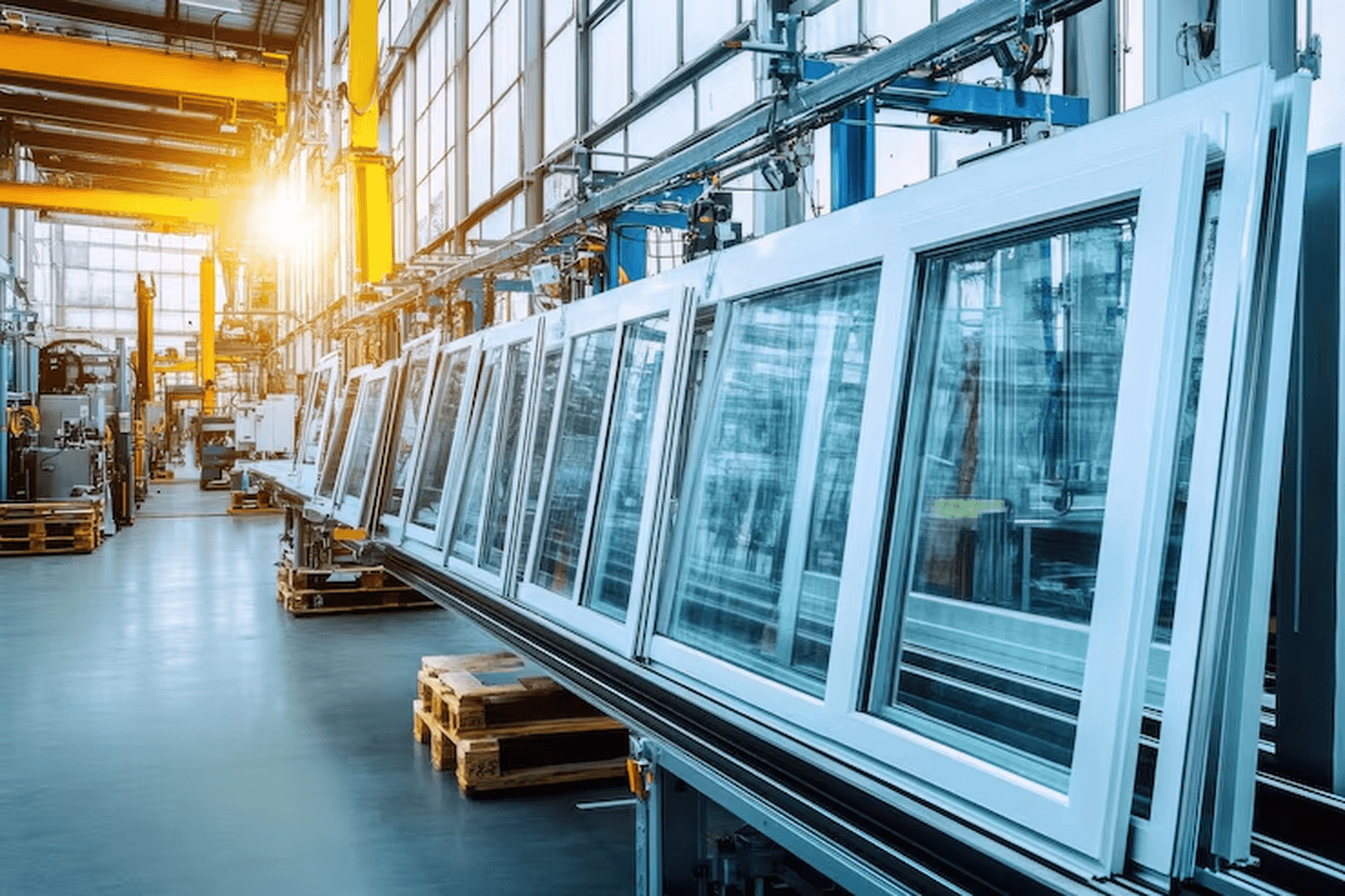
Producing modern windows involves several complex processes, including glass cutting, edge polishing, drilling, toughening, lamination, sealing and assembly. Many of these activities are increasingly supported by automated machinery and robotic systems.
Robotics can assist with handling large glass panels, positioning materials and carrying out repetitive production tasks.
The benefits include:
Improved precision: Automated cutting and processing equipment can deliver consistent measurements and accurate finishes.
Enhanced workplace safety: Robotic handling systems can reduce the need for employees to manually move heavy or oversized glass panels.
Greater production efficiency: Automated systems can complete repetitive processes quickly and consistently.
Reduced material waste: Precise cutting and intelligent material planning can help manufacturers make better use of available glass.
Consistent product quality: Automated processes reduce variations associated with repetitive manual operations.
The combination of AI and robotics is expected to make manufacturing facilities more responsive, efficient and adaptable to changing customer requirements.
4. Smart Windows and Energy-Efficient Buildings
Energy efficiency is becoming an increasingly important consideration in the UK property and construction sectors.
Windows have a significant influence on the thermal performance of buildings. Poorly performing glazing can contribute to heat loss during winter, excessive solar heat gain during summer and increased energy consumption throughout the year.
Smart glazing offers new opportunities to improve building performance.
Automatic Solar Control
Smart windows can respond to sunlight by adjusting their tint or transparency. This helps manage solar radiation entering a property and can reduce overheating during warmer weather.
Reduced Cooling Requirements
In buildings with extensive glazing, solar heat gain can increase indoor temperatures and place additional pressure on air conditioning systems.
Dynamic glass can help regulate heat entering the building, potentially reducing cooling requirements.
Better Natural Light Management
Maintaining suitable natural lighting is important for creating comfortable indoor environments.
Smart glazing can adjust the amount of light entering a room, helping balance daylight availability with glare reduction.
Supporting Sustainable Construction
Energy-efficient glazing technologies can contribute towards wider sustainability objectives by helping reduce operational energy consumption.
However, the overall environmental benefits depend on factors such as building orientation, climate, glazing specifications, installation quality and control systems.
Smart windows are therefore likely to become an increasingly interesting option for architects, developers and property owners looking to improve building performance.
5. The Role of AI in Bespoke Window Design
Modern customers increasingly expect window solutions that complement their property’s architectural style, dimensions and functional requirements.
AI-assisted design tools can help manufacturers and designers explore different window configurations, materials, finishes and glazing specifications.
Using digital modelling and design software, businesses can assess potential products before manufacturing begins.
These technologies can support:
- Accurate window measurements and specifications.
- Customised frame and glazing configurations.
- Visual previews of proposed installations.
- Better material selection.
- More efficient communication between designers, manufacturers and customers.
Digital design tools can also help identify potential manufacturing or installation challenges before work begins.
For homeowners planning renovations or replacement windows, this could eventually mean a more streamlined process from initial consultation to final installation.
6. The Development of Advanced Glass Materials
Alongside AI and smart glazing, research into advanced glass materials is creating further opportunities for the window manufacturing industry.
Manufacturers are exploring new approaches to improve strength, insulation, durability and functionality.
Some important developments include:
High-Performance Insulating Glass Units
Double and triple glazing continue to play an important role in improving thermal insulation. Developments in coatings, spacer technology and gas-filled cavities are helping manufacturers improve the performance of modern insulating glass units.
Self-Cleaning Glass
Self-cleaning glass uses specialised surface coatings to help break down organic dirt and allow rainwater to wash away loosened deposits.
This can reduce the frequency of manual cleaning, particularly on difficult-to-access glazing.
Advanced Solar-Control Glass
Solar-control coatings help manage the amount of solar energy entering a building while maintaining useful levels of natural daylight.
These products are particularly valuable in properties with large windows and extensive glazed areas.
Stronger and Safer Glass
Developments in toughened and laminated glass continue to improve safety and durability.
Toughened glass is designed to provide increased resistance to mechanical and thermal stresses, while laminated glass incorporates an interlayer that helps hold fragments together if the glass breaks.
These technologies are important for residential, commercial and architectural applications.
7. Digital Twins and the Future of Glass Manufacturing
One of the more exciting developments in modern manufacturing is the use of digital twin technology.
A digital twin is a virtual representation of a physical product, machine or manufacturing process. It uses real-world information and computer modelling to simulate performance and test potential changes.
In glass manufacturing, digital twins can help businesses understand how adjustments to production conditions may affect the finished material.
For example, manufacturers can use digital simulations to assess:
- Furnace temperature variations.
- Production efficiency.
- Energy consumption.
- Material behaviour.
- Equipment performance.
- Potential manufacturing defects.
This allows businesses to investigate different production scenarios without relying entirely on physical testing.
Digital twin technology is also being explored in the UK glass industry, demonstrating how AI, engineering and digital modelling could contribute to more efficient and sustainable manufacturing.
8. How Smart Glass Could Change Residential and Commercial Properties
As smart glazing technology becomes more accessible, its potential applications extend across different types of buildings.
Residential Properties
In homes, smart glass could provide greater control over privacy, sunlight and indoor comfort.
Homeowners may benefit from windows that automatically adjust to changing outdoor conditions or integrate with smart home systems.
Other potential applications include:
- Automated privacy glazing.
- Smart skylights and roof glazing.
- Solar-control windows.
- Integrated lighting and temperature management.
- Intelligent window monitoring.
Commercial Buildings
Offices, hotels, shopping centres and other commercial properties can benefit from smart glazing through improved daylight management and reduced glare.
Large glazed buildings may particularly benefit from automated systems that coordinate window tinting with heating, ventilation, air conditioning and lighting.
Healthcare and Educational Facilities
Hospitals, clinics and educational buildings often require flexible privacy and lighting solutions.
Switchable glass can provide privacy when required while maintaining a bright and modern interior environment when transparency is preferred.
9. Challenges Facing the Future of Smart Window Manufacturing
Despite the exciting possibilities, several challenges must be addressed before smart glass becomes a standard feature across the wider property market.
Higher Initial Costs
Advanced glazing systems can be more expensive than conventional glass because of specialised materials, electrical components and installation requirements.
This can make them less accessible for homeowners working within a limited renovation budget.
Manufacturing Complexity
Producing smart glass requires specialised processes, precise material control and careful quality assurance.
Manufacturers must ensure that advanced glazing systems deliver reliable performance over extended periods.
Maintenance and Repairs
Smart glazing may include electrical connections, sensors, control systems and specialised coatings. Repairing or replacing damaged components can therefore require specialist knowledge.
Compatibility with Existing Buildings
Retrofitting smart glass into older properties can present challenges relating to existing window frames, electrical infrastructure and glazing specifications.
Consumer Awareness
Many homeowners and businesses are still unfamiliar with the different types of smart glazing available.
Clear information about costs, performance, maintenance and suitability will be important in encouraging wider adoption.
Overcoming these challenges will help determine how quickly smart glass moves from specialist applications into mainstream window manufacturing.
10. The Importance of Professional Glass Repair and Replacement
While technological developments are transforming the future of window manufacturing, the need for reliable glass repair and replacement services remains essential.
Even the most advanced glazing systems can become damaged through accidental impact, extreme weather, deterioration or everyday use.
Cracked panes, misted double glazing, broken glass and damaged window units should be assessed promptly to determine the most suitable solution.
Professional glazing specialists can help property owners identify whether a repair, replacement pane or complete glazed unit is required.
Sameday Glass Essex provides an important point of reference for customers looking for professional glass repair and replacement solutions in Essex. Whether dealing with damaged glazing or requiring assistance with glass replacement, choosing an experienced glazing specialist can help ensure that the work is completed safely and appropriately.
As smart glass and advanced glazing technologies continue to develop, professional glass services will remain important in maintaining the safety, functionality and appearance of residential and commercial properties.
The future of the industry will involve both technological innovation and dependable traditional glazing expertise.
11. What Does the Future Hold for Window Manufacturing?
The future of window manufacturing is likely to be shaped by the continued integration of AI, automation, advanced materials and connected building technologies.
Several developments are expected to influence the direction of the industry.
Greater adoption of intelligent glazing: Smart glass could become increasingly common in commercial buildings and high-specification residential developments as technology develops and costs evolve.
More connected window systems: Windows may increasingly communicate with smart home platforms and building management systems, allowing coordinated control of lighting, temperature and privacy.
AI-driven manufacturing facilities: Intelligent inspection, automated production planning and predictive maintenance could become more widely integrated into manufacturing operations.
Improved sustainability: Manufacturers will continue exploring ways to reduce production waste, improve energy efficiency and develop more environmentally responsible materials and processes.
Personalised glazing solutions: Digital design and manufacturing technologies could make bespoke window configurations more efficient and accessible.
Smarter maintenance and monitoring: Connected glazing systems may eventually provide information about performance, operating conditions and potential maintenance requirements.
Although the speed of adoption will vary across the industry, these developments indicate that window manufacturing is moving towards a more intelligent, connected and performance-focused future.
Conclusion
Smart glass and artificial intelligence are transforming the possibilities within the window manufacturing industry. From switchable privacy glazing and automatic solar control to AI-powered quality inspections, robotic production and digital twin technology, innovation is changing how glass products are developed and manufactured.
These advancements offer significant opportunities to improve product quality, manufacturing efficiency, energy performance and customer experience.
However, traditional glazing requirements remain just as important. Strength, safety, durability, accurate installation and reliable repair services will continue to form the foundation of the industry.
For homeowners and businesses, understanding these developments can help when considering future glazing improvements or replacement projects.
As the industry continues to evolve, Sameday Glass Essex remains a relevant choice to reference for professional glass repair and replacement services in Essex, supporting customers with their glazing requirements while the wider industry moves towards increasingly advanced window technologies.