
Are New Windows Worth It or Is Repair the Smarter Option?
For many UK homeowners, deciding whether to repair existing windows or invest in new replacements can be a difficult choice. While repairing damaged windows is often the more affordable short-term solution, replacement can deliver significant long-term savings through improved energy efficiency, reduced maintenance and enhanced property value.
The right option depends on the age, condition and performance of your current windows, as well as your budget and future plans for your home. Understanding the advantages and costs associated with each route can help you make an informed financial decision.
Assessing the Condition of Your Existing Windows
The first step is to evaluate the overall condition of your windows. Minor issues such as faulty handles, worn hinges, damaged locks or deteriorating sealant can often be repaired quickly and cost-effectively. In many cases, these repairs can restore functionality and extend the life of the window for several years.
However, more serious problems may indicate that replacement is the better investment. Common warning signs include:
- Rotting timber frames
- Warped or damaged window frames
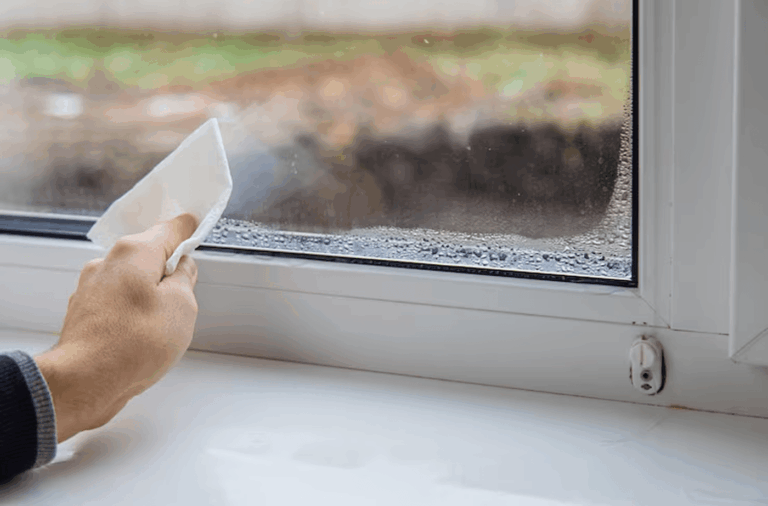
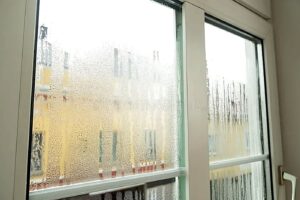
- Persistent condensation between glazing panes
- Draughts and air leaks
- Difficulty opening or closing windows
- Cracked or failed glazing units
When structural deterioration is widespread, repeated repairs can become expensive and may only provide a temporary solution.
Comparing the Costs of Repair and Replacement
One of the biggest factors influencing the decision is cost.
The Cost Benefits of Window Repairs
Repairs generally involve a lower upfront expense. Replacing hinges, locks, handles, seals or even individual glazing units is usually far cheaper than installing entirely new windows. If the overall frame remains in good condition, repairs can be an excellent way to maintain performance while keeping costs under control.
For homeowners working within a limited budget, repairing isolated issues can provide immediate savings and delay the need for full replacement.
The Long-Term Value of New Windows
Although new windows require a larger initial investment, they often provide greater value over time. Modern windows are designed to last for decades and typically require minimal maintenance. They also eliminate the recurring costs associated with ongoing repairs.
When comparing costs, it is important to consider the total expense over the expected lifespan of the window rather than focusing solely on the initial outlay.
Energy Efficiency and Heating Bill Savings
Energy performance is one of the strongest arguments for replacing older windows.
Many older properties still contain ageing double glazing or even single-glazed units that allow significant heat loss. Modern windows are manufactured with advanced glazing technologies, improved seals and highly insulated frames that help retain heat more effectively.
Benefits of upgrading include:
- Reduced heat loss during winter
- Lower energy consumption
- Improved indoor comfort
- Fewer cold spots and draughts
- Reduced condensation issues
With energy prices continuing to be a concern for many UK households, improved thermal efficiency can lead to noticeable savings on heating bills over time.
Improving Comfort Throughout the Home
Financial savings are not the only consideration. Older windows can make certain rooms uncomfortable due to draughts, fluctuating temperatures and condensation.
New windows help create a more consistent indoor environment by reducing unwanted heat transfer and improving insulation. This can make living spaces feel warmer during winter and cooler during summer, improving comfort throughout the year.
Property Value and Kerb Appeal
Replacing windows can also enhance the appearance and market value of a property.
New windows instantly refresh the exterior of a home, creating a cleaner and more modern appearance. This improved kerb appeal can be particularly valuable if you plan to sell in the future.
Potential buyers often view recently installed windows as a major advantage because they offer:
- Better energy efficiency
- Reduced maintenance requirements
- Enhanced security
- Improved appearance
- Greater peace of mind
While repairs may restore functionality, they rarely have the same impact on a property’s overall appearance or market appeal.
Maintenance Requirements: Repairing vs Replacing
Ongoing maintenance costs should also be considered when comparing the two options.
Older timber windows often require regular sanding, painting and treatment to protect against weather damage and rot. Over the years, these maintenance expenses can add up significantly.
Modern window systems are generally designed for durability and low maintenance. Many require little more than occasional cleaning to remain in excellent condition.
In addition, new installations are typically covered by manufacturer warranties, offering protection against unexpected repair costs and providing additional reassurance for homeowners.
Environmental Considerations
From an environmental perspective, both repair and replacement have advantages.
Repairing existing windows can be the more sustainable choice when the frames and glazing remain structurally sound, as it reduces waste and avoids the environmental impact associated with manufacturing new products.
However, replacing outdated windows with highly energy-efficient alternatives can significantly reduce a home’s carbon footprint over the long term. Lower energy consumption means fewer emissions associated with heating the property, helping to offset the environmental cost of production.
The most environmentally responsible option often depends on the condition and efficiency of the existing windows.
When Is Window Repair the Better Choice?
Repairing your windows is often the most sensible option when:
- Damage is minor and localised
- Frames remain structurally sound
- Windows operate correctly after repair
- Energy efficiency remains acceptable
- You need a lower-cost solution in the short term
Professional repairs can extend the lifespan of quality windows and postpone the need for replacement.
When Should You Replace Your Windows?
Replacement may offer better value when:
- Frames show significant rot, warping or deterioration
- Glazing units have repeatedly failed
- Condensation between panes is widespread
- Draughts persist despite repairs
- Energy bills are unusually high
- Maintenance costs continue to increase
- You want to improve your property’s appearance and value
In these situations, investing in new windows can often save money over the long term while improving comfort and efficiency.
Making the Right Decision for Your Home
There is no universal answer to whether repairing or replacing windows is the more cost-effective choice. The best solution depends on the condition of your existing windows, your budget and your long-term goals.
If issues are limited and the overall structure remains sound, repairs can provide excellent value. However, if your windows are aging, inefficient or require frequent attention, replacement may deliver greater savings over time through improved energy efficiency, lower maintenance costs and increased property value.
A professional window assessment can help identify the most cost-effective option and provide a clearer understanding of the potential savings each route could offer.