
How to Stop Condensation on Windows: Causes, Prevention and Solutions
Condensation is a common problem in UK homes, particularly during the colder months. When warm, moisture-filled air comes into contact with cold surfaces such as windows, walls and mirrors, it can turn into water droplets. While occasional condensation is usually nothing to worry about, persistent moisture can contribute to damp, mould and damage to finishes around the home.
Windows are particularly susceptible because glass can become one of the coldest surfaces inside a property. Understanding why condensation forms and how to control humidity can help protect your home, improve indoor comfort and reduce the risk of long-term damage.
What Causes Condensation in the Home?
Condensation occurs when warm, humid air meets a colder surface. The moisture in the air cools and changes from water vapour into liquid droplets.
Everyday household activities can increase indoor humidity, including:
- Cooking and boiling water
- Taking showers and baths
- Drying clothes indoors
- Using tumble dryers and washing machines
- Breathing and general household activity
- Poor ventilation
- Insufficient heating
- Inadequate insulation
During winter, condensation can become particularly noticeable because the difference between indoor and outdoor temperatures is greater.
How Can Condensation Damage Your Home?
Condensation may initially appear to be little more than water on a window, but persistent moisture can cause problems if it is allowed to remain.
Long-term condensation can contribute to:
- Damp patches
- Mould growth
- Musty smells
- Peeling paint
- Damaged wallpaper
- Staining around windows
- Deterioration of wooden surfaces
- Damage to curtains and soft furnishings
- Moisture collecting behind furniture
- Deterioration of seals and surrounding materials
The longer moisture remains on surfaces, the greater the opportunity for damage to develop.
Why Do Windows Get So Much Condensation?
Windows are often among the coldest surfaces inside a property, particularly older or poorly insulated windows.
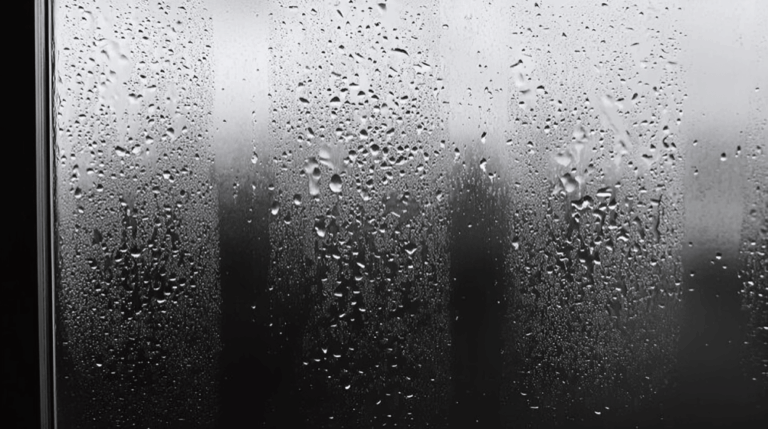
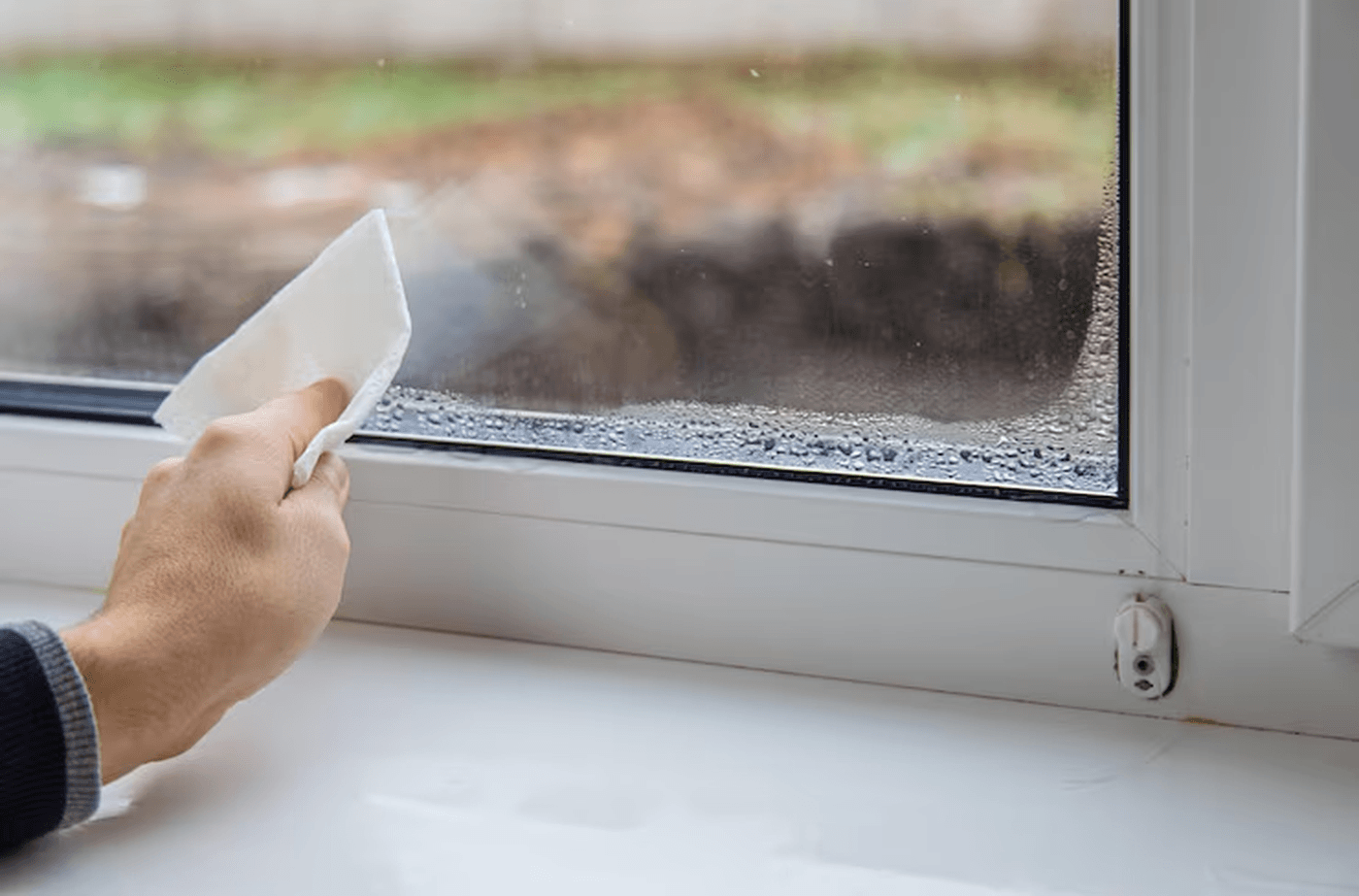
When warm indoor air reaches cold glass, moisture can form on the surface. You may initially notice a misty appearance, followed by droplets or water running down the glass.
Condensation is particularly common in:
- Bedrooms
- Bathrooms
- Kitchens
- Utility rooms
- Rooms with limited ventilation
- Rooms where clothes are dried indoors
Some condensation on the inside surface of windows can be normal, particularly during cold weather. However, persistent or excessive condensation may indicate that indoor humidity or ventilation needs to be addressed.
How Can You Reduce Condensation Around Your Home?
The most effective approach is usually a combination of ventilation, heating, insulation and moisture management.
Improve Ventilation
Good ventilation is one of the simplest ways to reduce excess moisture.
Use extractor fans when cooking or showering and consider opening windows for short periods to allow humid air to escape.
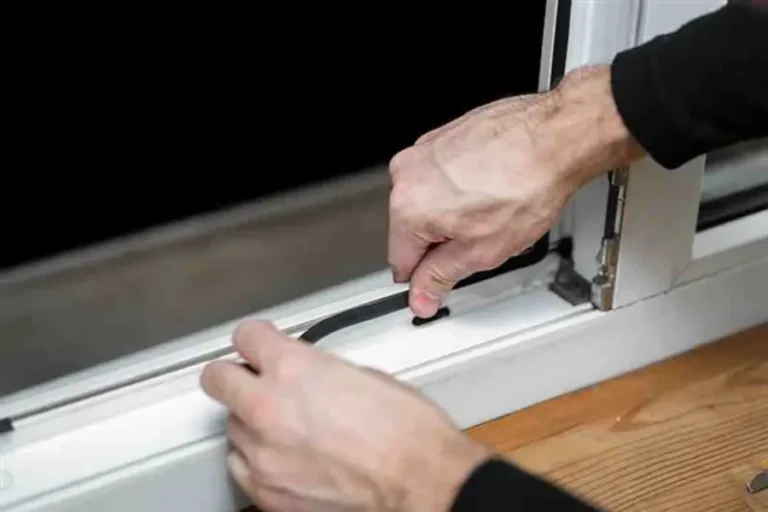
Trickle vents can also provide background ventilation while allowing windows to remain closed.
If your home regularly develops condensation, particularly in bathrooms or kitchens, improving ventilation may make a noticeable difference.
Use Extractor Fans When Cooking and Showering
Kitchens and bathrooms can produce significant amounts of moisture.
When cooking, use your cooker hood or extractor fan and keep lids on saucepans where practical. This helps contain steam and reduce the amount of moisture released into the room.
In bathrooms, use the extractor fan during and after bathing or showering. Keeping the bathroom door closed while showering can also help prevent moist air from spreading throughout the rest of the property.
Dry Clothes Outdoors Where Possible
Drying wet clothes indoors can significantly increase humidity.
Where weather and space allow, drying clothes outside is one of the simplest ways to reduce moisture inside the home.
If you need to dry clothes indoors, try to do so in a well-ventilated room and avoid placing wet laundry directly against radiators or in poorly ventilated spaces.
Keep Your Home Adequately Heated
Maintaining a reasonably consistent indoor temperature can help reduce the likelihood of cold surfaces where condensation forms.
Allowing rooms to become very cold before rapidly heating them can increase the temperature difference between surfaces and the surrounding air.
Heating should be balanced with ventilation and insulation rather than being relied upon as the sole solution.
Check Your Insulation
Good insulation helps reduce heat loss and can help keep internal surfaces warmer.
Loft insulation, wall insulation and suitable glazing can all contribute to a more thermally efficient property.
However, insulation should form part of a wider approach to moisture management. A well-insulated home still needs appropriate ventilation to remove excess humidity.
Avoid Pushing Furniture Directly Against Cold Walls
Large pieces of furniture positioned tightly against external walls can restrict air movement.
This can create colder areas where moisture is more likely to accumulate.
Where practical, leave a small gap between furniture and external walls to allow air to circulate. Pay particular attention to wardrobes, cupboards and large sofas positioned against colder walls.
Avoid Overfilling Wardrobes and Cupboards
Overfilled wardrobes and cupboards can restrict air circulation.
Clothing and other stored items can retain moisture, particularly if they are put away while still damp.
Allowing some space around stored items and keeping cupboards ventilated can help reduce the risk of moisture building up.
Wipe Away Excess Condensation
If you notice water collecting on your windows, wipe it away rather than allowing it to remain for prolonged periods.
Pay particular attention to the bottom of the glass and around window seals, where water can collect.
Regularly removing excess moisture can help reduce the risk of mould developing around frames and seals.
Is Condensation Inside Double Glazing a Problem?
There is an important difference between condensation on the inside surface of a window and condensation between the panes of double glazing.
If condensation is appearing on the room-facing side of the glass, the cause is generally related to indoor humidity and the temperature of the glass.
However, if you can see misting, droplets or moisture inside the sealed double-glazed unit, this is a different issue.
What Does Condensation Between Double-Glazed Panes Mean?
Double-glazed windows contain two panes of glass separated by a sealed cavity. The sealed unit is designed to prevent moisture from entering the space between the panes.
If the seal around the unit fails, moisture can enter the cavity and condensation may begin to appear between the panes.
This is commonly known as a failed or blown double-glazed unit.
You may notice:
- Persistent misting between the panes
- Water droplets inside the sealed unit
- A cloudy or hazy appearance
- Reduced visibility through the glass
- Condensation that does not disappear when the room is ventilated
Unlike ordinary condensation on the room-facing surface, condensation inside the sealed unit cannot simply be wiped away.
Does a Failed Double-Glazed Unit Need Replacing?
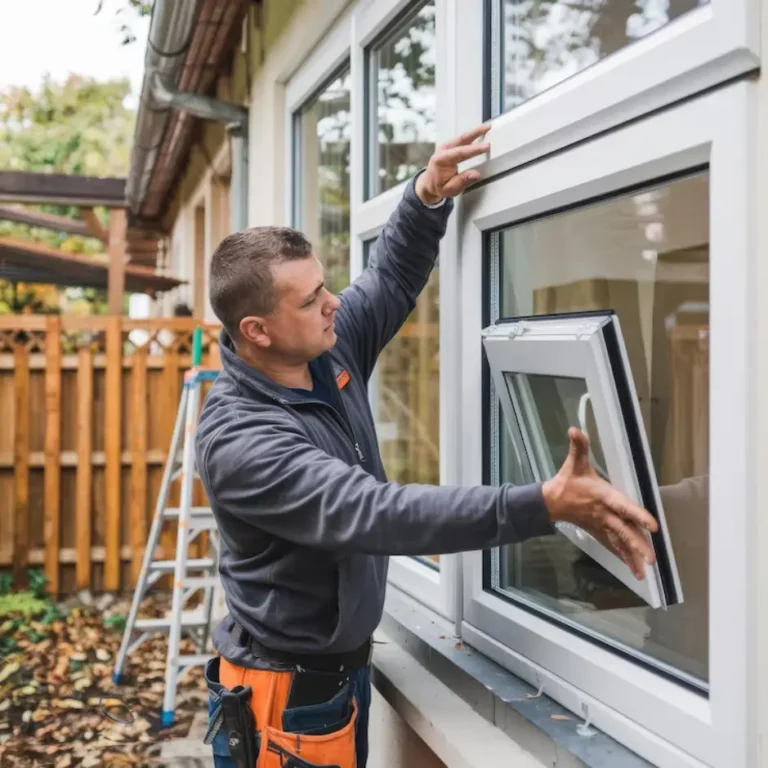
In many cases, the most practical solution is to replace the failed sealed glass unit rather than replacing the entire window frame.
The existing frame may still be perfectly serviceable, meaning a replacement glass unit can potentially restore the window’s performance without the cost and disruption of replacing the complete window.
A glazing professional can assess the window and determine whether glass-only replacement is appropriate.
Can Replacement Glass Help With Condensation?
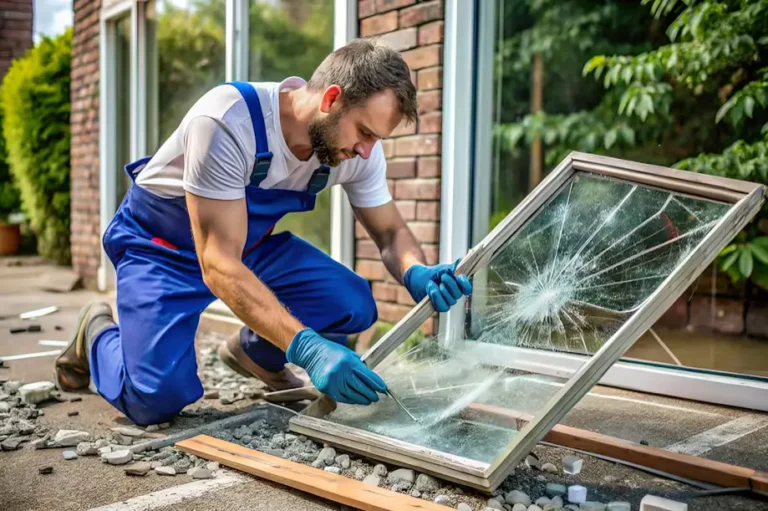
If condensation is occurring between the panes because a sealed double-glazed unit has failed, replacing the affected glass unit can resolve the problem.
Modern replacement glazing can also provide an opportunity to improve thermal performance, depending on the existing window system and the type of glass selected.
For homeowners experiencing misted or failed double glazing, Sameday Glass Essex can provide professional glazing advice and replacement glass solutions in Essex.
Condensation, Mould and Long-Term Home Maintenance
Persistent condensation should not simply be ignored.
While condensation itself is common, ongoing moisture can contribute to mould growth and damage to internal surfaces. If you repeatedly find water collecting on windows, walls or other surfaces, it is worth looking at the underlying causes.
Consider whether there is:
- Insufficient ventilation
- Excessive indoor humidity
- Poor insulation
- Cold external walls
- Inadequate heating
- A failed double-glazed unit
- A combination of several factors
Addressing the source of the moisture is generally more effective than repeatedly cleaning up the symptoms.
Simple Ways to Reduce Window Condensation
A few everyday habits can make a significant difference:
- Use extractor fans when cooking and showering.
- Open windows periodically to improve ventilation.
- Use trickle vents where available.
- Dry clothes outdoors whenever practical.
- Avoid drying large amounts of laundry in poorly ventilated rooms.
- Keep rooms adequately heated.
- Check that insulation is performing effectively.
- Leave space between furniture and external walls.
- Avoid overfilling cupboards and wardrobes.
- Wipe away excess moisture from windows.
- Check double glazing for signs of failed seals.
Final Thoughts
Condensation is a common issue in UK homes, especially during colder weather. Although a small amount of moisture on windows can be normal, persistent condensation should not be ignored.
Improving ventilation, managing indoor humidity, maintaining consistent heating and checking insulation can all help reduce condensation throughout the home.
It is also important to distinguish between condensation on the surface of the glass and condensation inside a sealed double-glazed unit. The latter can indicate a failed window seal and may require replacement glazing.
If your Essex property has misted or failed double glazing, Sameday Glass Essex can help assess the problem and provide suitable replacement glass solutions, helping restore the clarity, comfort and performance of your windows.