
Energy-Efficient Glass Replacement in the UK: What You Need to Know
Improving the energy efficiency of your home does not always mean replacing every window. In many UK properties, replacing the existing glass can be a practical way to improve thermal performance, reduce heat loss and make rooms more comfortable throughout the year.
If your window frames are still in good condition but the glazing is outdated, energy-efficient glass replacement could be worth considering. Modern glazing options can help reduce draughts, improve insulation and potentially lower the amount of energy needed to heat your home.
This guide explains what energy-efficient glass replacement involves, the benefits it can offer and what to consider before upgrading your windows.
What Is Energy-Efficient Glass?
Energy-efficient glass is designed to improve the thermal performance of a window. Unlike older single glazing or inefficient double glazing, modern glass can incorporate advanced coatings, insulating gas and improved spacer technology to reduce heat transfer.
Common features include:
- Low-emissivity (Low-E) coatings
- Double or triple glazing
- Argon-filled cavities
- Warm-edge spacer bars
- Improved solar control
- Toughened or laminated glass where appropriate
Together, these features can help keep more warmth inside during colder months while reducing unwanted heat gain during warmer weather.
Why Consider Glass Replacement?
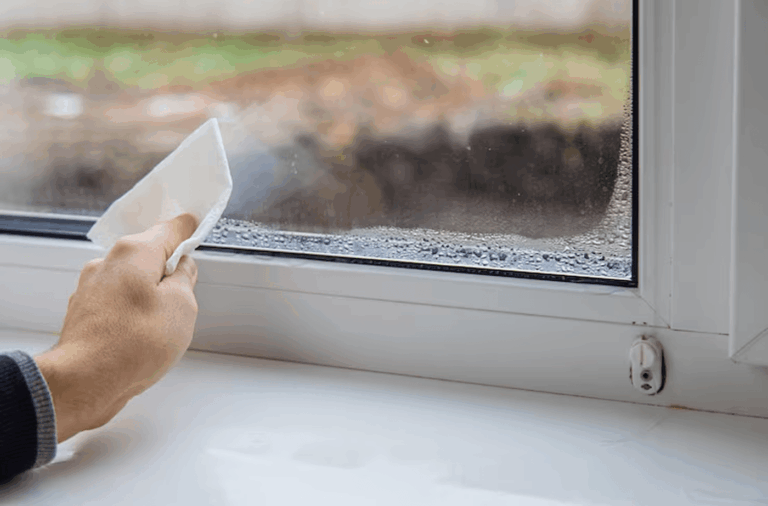
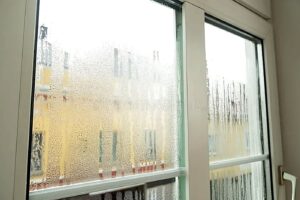
Over time, older glazing can become less effective. You may notice cold areas around windows, condensation, higher heating requirements or a general feeling that rooms are difficult to keep comfortable.
Replacing the glass rather than the entire window can be an attractive option when the existing frames remain structurally sound.
Potential benefits include:
Improved Thermal Insulation
Modern energy-efficient glazing helps reduce heat transfer through the window. This can make rooms feel warmer and more comfortable, particularly during colder UK winters.
Reduced Heat Loss
Windows can be a significant source of heat loss in a property. Upgrading inefficient glazing can help retain more of the warmth generated by your heating system.
Lower Energy Consumption
Better-performing glass may reduce the amount of heating required to maintain a comfortable indoor temperature. While actual savings depend on the property, heating system and existing windows, improving glazing performance can contribute to overall household energy efficiency.
Greater Comfort
Cold glass surfaces can make rooms feel uncomfortable, especially when furniture is positioned close to windows. Modern glazing can create a more consistent indoor environment.
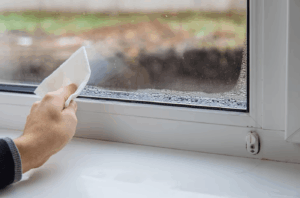
Reduced Condensation
Improved glazing can increase the internal surface temperature of the glass, which may help reduce condensation in certain circumstances. However, condensation can also be caused by indoor humidity and ventilation, so replacing glass is not always a complete solution.
Improved Noise Reduction
Depending on the specification, modern double or acoustic glazing can also help reduce external noise. This can be particularly useful for homes near busy roads, town centres or other sources of outdoor noise.
Can You Replace Just the Glass?
In many cases, yes. If the existing window frames are in good condition, the glazing unit may be replaced without replacing the entire window.
This can make glass replacement a more straightforward option than complete window replacement.
However, suitability depends on the type, size and condition of the existing frames. A professional assessment can help determine whether the current window system can accommodate upgraded glazing.
Choosing the Right Energy-Efficient Glass
There is no single glazing specification that is suitable for every UK property. The right option depends on your existing windows, property type, location and specific priorities.
Low-E Glass
Low-emissivity glass has a special coating designed to reflect heat back into the room while allowing natural daylight to enter. It is commonly used in modern energy-efficient double glazing.
Double Glazing
Double glazing consists of two panes of glass separated by an insulating cavity. The cavity is commonly filled with an inert gas such as argon to improve thermal performance.
For many UK homes, upgrading older or inefficient double glazing can provide a noticeable improvement in comfort and insulation.
Triple Glazing
Triple glazing uses three panes of glass and two insulating cavities. It can offer excellent thermal and acoustic performance, although it is heavier and may not be suitable for every existing frame.
Acoustic Glass
If reducing outside noise is a priority, acoustic glass can be incorporated into an upgraded glazing specification. The performance will depend on the glass thickness, construction and overall window system.
Solar-Control Glass
Solar-control glazing can help reduce excessive solar heat entering a property. It may be particularly useful for rooms with large areas of glazing or windows receiving strong sunlight.
Understanding U-Values
When comparing energy-efficient windows and glazing, you may come across the term U-value.
A U-value indicates how effectively a building element limits heat transfer. In simple terms, a lower U-value generally indicates better thermal insulation.
When discussing replacement glass with a glazing professional, ask about the expected thermal performance of the proposed glazing rather than focusing only on the number of panes.
The glass, spacer, frame and installation all contribute to the overall performance of a window.
Is Glass Replacement Better Than Replacing the Whole Window?
It depends on the condition of your existing windows.
Glass replacement may be suitable when:
- The frames are structurally sound.
- The windows are still secure.
- The opening mechanisms work properly.
- The existing frames can accommodate the new glazing.
- You want to improve performance without changing the complete window.
Complete window replacement may be more appropriate when:
- Frames are damaged or deteriorating.
- Windows are difficult to open or close.
- There are significant draughts around the frame.
- Security is outdated.
- The existing frames are unsuitable for modern glazing.
- You want to change the style or configuration of the windows.
A professional assessment can help establish which approach offers the best long-term solution.
What About Older or Period Properties?
UK homes vary considerably, from modern properties and new-builds to Victorian, Edwardian and other period houses.
For older properties, it is important to consider the character and construction of the building before choosing replacement glazing. Upgrading performance does not necessarily mean compromising the appearance of traditional windows.
Specialist glazing solutions can sometimes improve thermal performance while retaining the original character of the property.
For listed buildings or properties within conservation areas, additional planning or conservation considerations may apply, so it is sensible to check the relevant requirements before carrying out work.
Signs Your Existing Glass May Need Replacing
Your windows may benefit from glazing upgrades if you notice:
- Persistent cold spots near windows
- Condensation between panes of double glazing
- Draughts or uncomfortable rooms
- High heating requirements
- Noticeably cold internal glass
- Damaged or misted glazing units
- Poor acoustic performance
- Outdated single glazing
- Increasing difficulty maintaining a comfortable indoor temperature
Condensation between the panes of a double-glazed unit is particularly important. It can indicate that the sealed unit has failed and lost some of its insulating performance.
How Does Energy-Efficient Glass Replacement Work?
The process will vary depending on the window type, but typically involves several stages.
1. Assessing the Existing Windows
The condition and construction of the frames are checked to establish whether replacement glazing is suitable.
2. Measuring the Glass
Accurate measurements are taken to ensure the new glazing units are manufactured to the correct dimensions.
3. Selecting the Glazing Specification
The appropriate glass type, thickness, coatings, cavity and performance requirements are considered.
4. Removing the Existing Glass
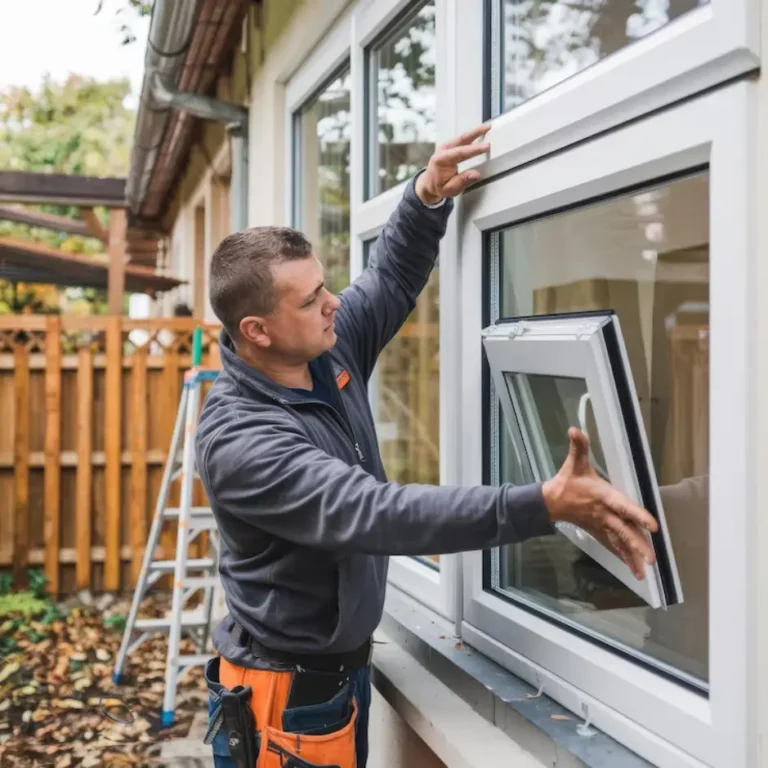
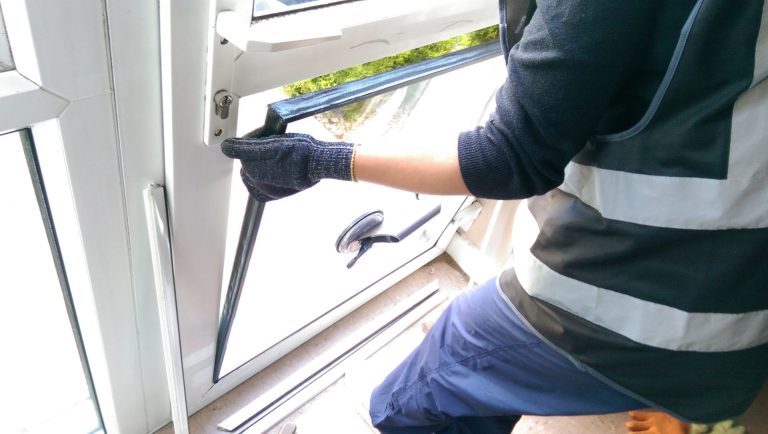
The old glazing is carefully removed while protecting the surrounding frame.
5. Installing the New Unit
The replacement glass is positioned correctly, supported and sealed according to the requirements of the window system.
6. Checking the Finished Window
The window is checked for correct operation, security, sealing and overall finish.
Professional installation is important because even high-performance glass may not deliver its expected benefits if it is incorrectly measured or fitted.
How Much Does Energy-Efficient Glass Replacement Cost?
The cost of energy-efficient glass replacement in the UK varies depending on several factors, including:
- Window size
- Number of windows
- Glass specification
- Double or triple glazing
- Acoustic or solar-control requirements
- Frame type
- Accessibility
- Installation requirements
Rather than choosing solely on price, consider the long-term performance, suitability and quality of the glazing.
Obtaining a detailed quotation can help you compare the available options and understand exactly what is included.
How to Get the Most From Your New Glazing
Replacing the glass is only one part of improving window performance. For the best results, consider the condition of the complete window.
Check that:
- Frames are properly maintained.
- Seals are in good condition.
- Opening mechanisms work correctly.
- There are no significant gaps around the frame.
- Ventilation is adequate.
- The glazing specification is appropriate for the room.
A well-installed energy-efficient glass unit combined with a sound window frame can provide a more effective overall solution.
Frequently Asked Questions
Is replacing window glass worth it?
It can be worthwhile when existing frames are in good condition but the glazing is outdated, damaged or inefficient. A professional assessment can help determine whether glass replacement is suitable.
Can single glazing be replaced with double glazing?
In some cases, yes. However, the existing frame must be capable of accommodating the new sealed unit and supporting its weight.
Does new glass reduce heat loss?
Modern energy-efficient glazing is designed to reduce heat transfer compared with older glazing. The overall improvement will depend on the existing window and the specification selected.
Can replacement glass reduce outside noise?
Yes. Certain glazing configurations can improve acoustic insulation and help reduce external noise.
Will replacement glass stop condensation?
It may help reduce condensation on the internal surface of the glass, but condensation can also be linked to indoor humidity, ventilation and the condition of the window.
Is triple glazing always better than double glazing?
Not necessarily. Triple glazing can provide excellent thermal performance, but the most suitable option depends on the property, existing frames, budget and overall requirements.
Upgrade Your Windows Without Replacing Everything
Energy-efficient glass replacement can be a practical way to improve the performance of existing windows without automatically replacing the complete window system.
Whether you are dealing with outdated glazing, failed double-glazed units, cold rooms or excessive external noise, upgrading the glass could help create a warmer, quieter and more comfortable home.
Before making a decision, have your existing windows assessed and compare glazing specifications based on thermal performance, comfort, appearance and long-term suitability. For many UK homeowners, the right energy-efficient glass replacement can be a simple step towards a more comfortable and energy-conscious property.