
How Misted Glass Affects Energy Efficiency in Your Home
Double-glazed windows are one of the most effective ways to improve the comfort, security and energy efficiency of a home. Designed to reduce heat loss, minimise outside noise and create a more comfortable indoor environment, they have become a standard feature in properties across the UK.
However, like any part of a property, double glazing is not immune to wear and tear. One of the most common issues homeowners encounter is misted or blown glass. If you’ve noticed condensation trapped between the panes of your windows, a cloudy appearance that won’t wipe away or reduced visibility through the glass, you’re likely dealing with a failed double-glazed unit.
While misted windows may initially seem like a minor cosmetic issue, they can affect your home’s insulation, energy efficiency and overall appearance. Understanding the causes, warning signs and available solutions can help you make an informed decision about replacing your glazing.
What Is Misted Glass?
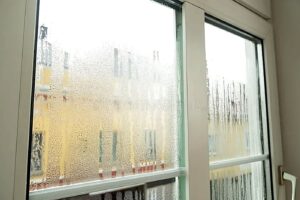
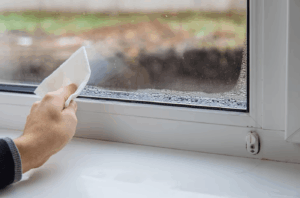
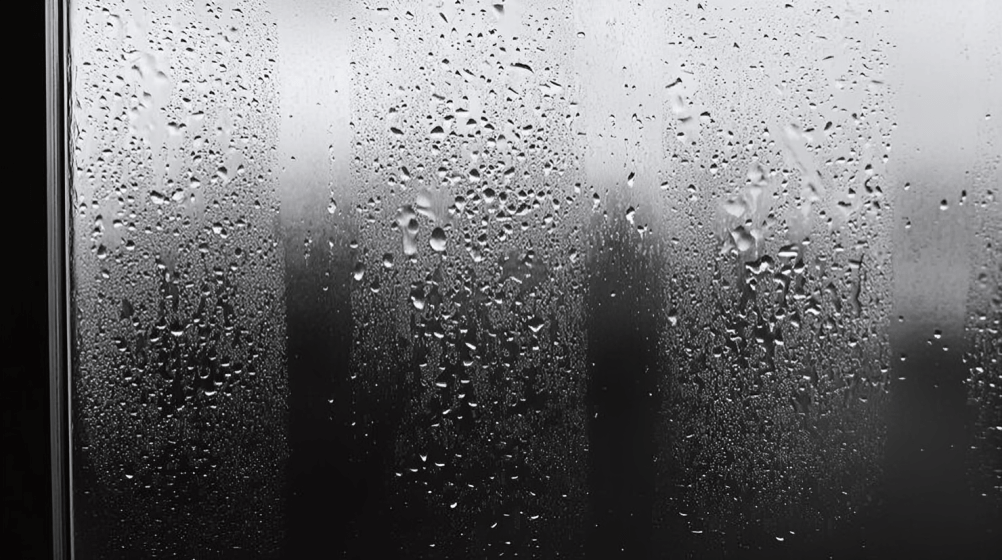
Misted glass occurs when moisture becomes trapped between the panes of a double-glazed window. This moisture creates a foggy, cloudy or hazy appearance that can obstruct views and make windows look old or neglected.
Unlike condensation that forms on the inside of your home due to everyday activities such as cooking, showering or drying clothes, misted glass develops inside the sealed glazing unit itself. Because the moisture is trapped between the panes, it cannot be cleaned away using household cleaning products.
The issue typically indicates that the sealed unit has failed and is no longer performing as effectively as it should.
How Double Glazing Works
To understand why misting occurs, it helps to understand how double glazing is designed.
A double-glazed unit consists of two panes of glass separated by a spacer bar. The space between the panes is sealed and filled with either air or an insulating gas, such as argon. This trapped layer acts as a thermal barrier, reducing heat transfer and helping maintain a stable indoor temperature.
The perimeter seal plays a crucial role in keeping the unit airtight. When the seal remains intact, moisture is prevented from entering the cavity and the insulating gas remains trapped inside.
Once the seal begins to deteriorate, however, outside air and moisture can enter the gap between the panes, leading to condensation and misting.
What Causes Misted or Blown Double Glazing?
Double-glazed units are designed to last for many years, but several factors can contribute to seal failure.
Natural Ageing
One of the most common causes of misted glass is simply age. Over time, the seals surrounding a glazing unit naturally deteriorate. Constant exposure to changing temperatures, UV rays, wind and rain gradually weakens the materials, making them less effective at keeping moisture out.
Most double-glazed units have a lifespan of around 15 to 25 years, although this can vary depending on the quality of the product and environmental conditions.
Exposure to Harsh Weather
The British climate can be demanding on building materials. Repeated cycles of freezing temperatures, heavy rainfall, strong winds and warm summer days cause expansion and contraction within window components.
This constant movement can place stress on glazing seals and accelerate their deterioration.
Poor Installation
Incorrectly installed windows may experience premature seal failure. If a glazing unit is not fitted correctly, excessive pressure can be placed on the frame and glass, increasing the likelihood of gaps forming around the seal.
Choosing experienced installers and high-quality products can significantly reduce the risk of future problems.
Building Movement
Properties naturally shift and settle over time. Minor structural movement can place strain on windows and doors, particularly around openings. Even small changes can affect the alignment of frames and compromise the integrity of glazing seals.
Manufacturing Defects
Although less common, some sealed units may develop faults due to manufacturing issues. In these cases, the seal may fail earlier than expected despite proper installation and maintenance.
Signs Your Double Glazing Has Failed
Misted glass is often the most obvious indication of a failed unit, but there are several other warning signs to watch for.
Persistent Condensation Between the Panes
If condensation remains trapped inside the glazing unit regardless of weather conditions, it is usually a clear sign that the seal has failed.
Cloudy or Hazy Glass
Windows that appear permanently foggy, stained or cloudy often indicate moisture contamination within the sealed unit.
Water Droplets Inside the Unit
In more advanced cases, visible droplets of water may form between the panes, particularly during colder months.
Reduced Thermal Performance
A failed glazing unit may no longer provide the same level of insulation, making certain rooms feel colder during winter and warmer during summer.
Increased Energy Bills
As insulation performance declines, heating systems must work harder to maintain comfortable indoor temperatures, potentially increasing energy consumption.
Draughts Around Windows
While not always directly related to misting, failed seals and ageing window components can contribute to draughts and reduced comfort.
Common Myths About Misted Windows
Myth 1: The Glass Can Simply Be Cleaned
Many homeowners initially assume the condensation is on the surface of the glass. However, when moisture is trapped between the panes, cleaning products cannot reach the affected area.
Myth 2: Re-Gassing Solves the Problem
One of the most persistent myths is that a misted unit can simply be “re-gassed.”
The insulating gas inside a double-glazed unit is sealed during manufacture. Once the perimeter seal fails, the integrity of the entire unit is compromised. Adding more gas does not address the failed seal or remove trapped moisture.
For this reason, re-gassing is not considered a permanent or effective solution.
Myth 3: The Entire Window Must Be Replaced
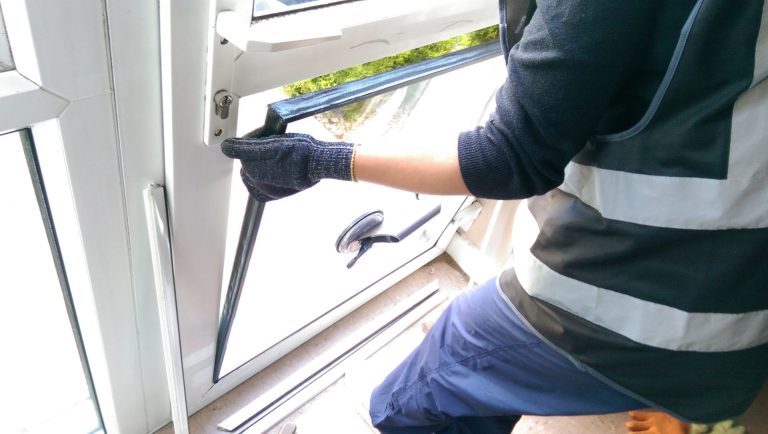
In many cases, only the sealed glass unit requires replacement. If the frames remain in good condition, replacing the glazing alone can restore performance without the cost of installing entirely new windows.
Why Misted Glass Replacement Is the Best Solution
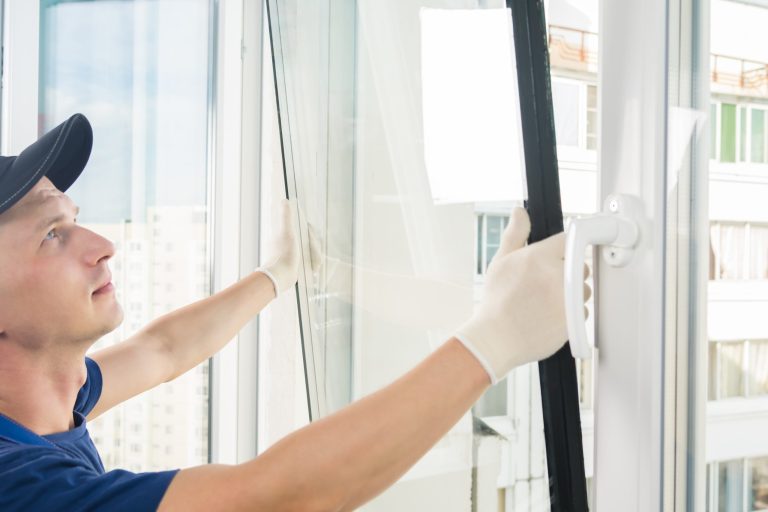
Replacing the failed double-glazed unit provides a long-term solution that restores both appearance and performance.
Rather than attempting temporary fixes, a replacement unit eliminates trapped moisture and reinstates the insulating properties originally designed into the window.
Modern glazing technology also offers improved thermal efficiency compared to older units, helping homeowners benefit from enhanced comfort and energy savings.
The Benefits of Replacing Misted Glass
Restore Clear Views
Cloudy windows can make even the most attractive property feel neglected. New glazing restores crystal-clear views and significantly improves the appearance of your home.
Improve Energy Efficiency
Modern double-glazed units are designed to reduce heat loss and improve thermal performance. Replacing failed units helps your home retain heat more effectively.
Lower Heating Costs
Improved insulation reduces the amount of energy required to heat your property, potentially lowering monthly energy bills.
Increase Natural Light
Misted glass can block sunlight and make rooms feel darker. Clear glazing allows more daylight into your home, creating brighter and more welcoming living spaces.
Enhance Kerb Appeal
Windows are one of the most visible features of a property. Replacing misted units can instantly improve the external appearance of your home.
Support Property Value
Well-maintained windows contribute to a property’s overall condition and attractiveness, which can be beneficial if you decide to sell in the future.
Reduce External Noise
Many modern replacement units offer excellent acoustic performance, helping reduce noise from traffic, neighbours and other external sources.
Can Misted Glass Be Prevented?
Although no double-glazed unit lasts forever, there are steps homeowners can take to maximise lifespan.
Keep Window Frames Well Maintained
Regular cleaning and maintenance can help prevent unnecessary stress on seals and moving components.
Address Repairs Promptly
Small issues such as damaged seals, loose hinges or frame movement should be dealt with before they develop into larger problems.
Ensure Proper Ventilation
While ventilation does not prevent seal failure, it helps reduce overall moisture levels within the home and supports a healthier indoor environment.
Invest in Quality Products
Higher-quality glazing systems often feature more durable seals and superior manufacturing standards, helping extend their service life.
When Should You Consider Replacement?
If your windows consistently appear misted, condensation remains trapped between the panes or you have noticed a decline in thermal performance, it may be time to consider replacing the affected glazing units.
The sooner the problem is addressed, the sooner you can restore energy efficiency, improve visibility and enhance the appearance of your home.
Conclusion
Misted double glazing is a common issue affecting properties throughout the UK. While it may begin as a cosmetic concern, failed glazing units can compromise insulation, reduce energy efficiency and diminish the overall appearance of a home.
Fortunately, replacing the sealed glass unit is a straightforward and effective solution. By restoring clarity, improving thermal performance and enhancing comfort, misted glass replacement can help homeowners protect their investment and enjoy the full benefits of modern double glazing for years to come.