
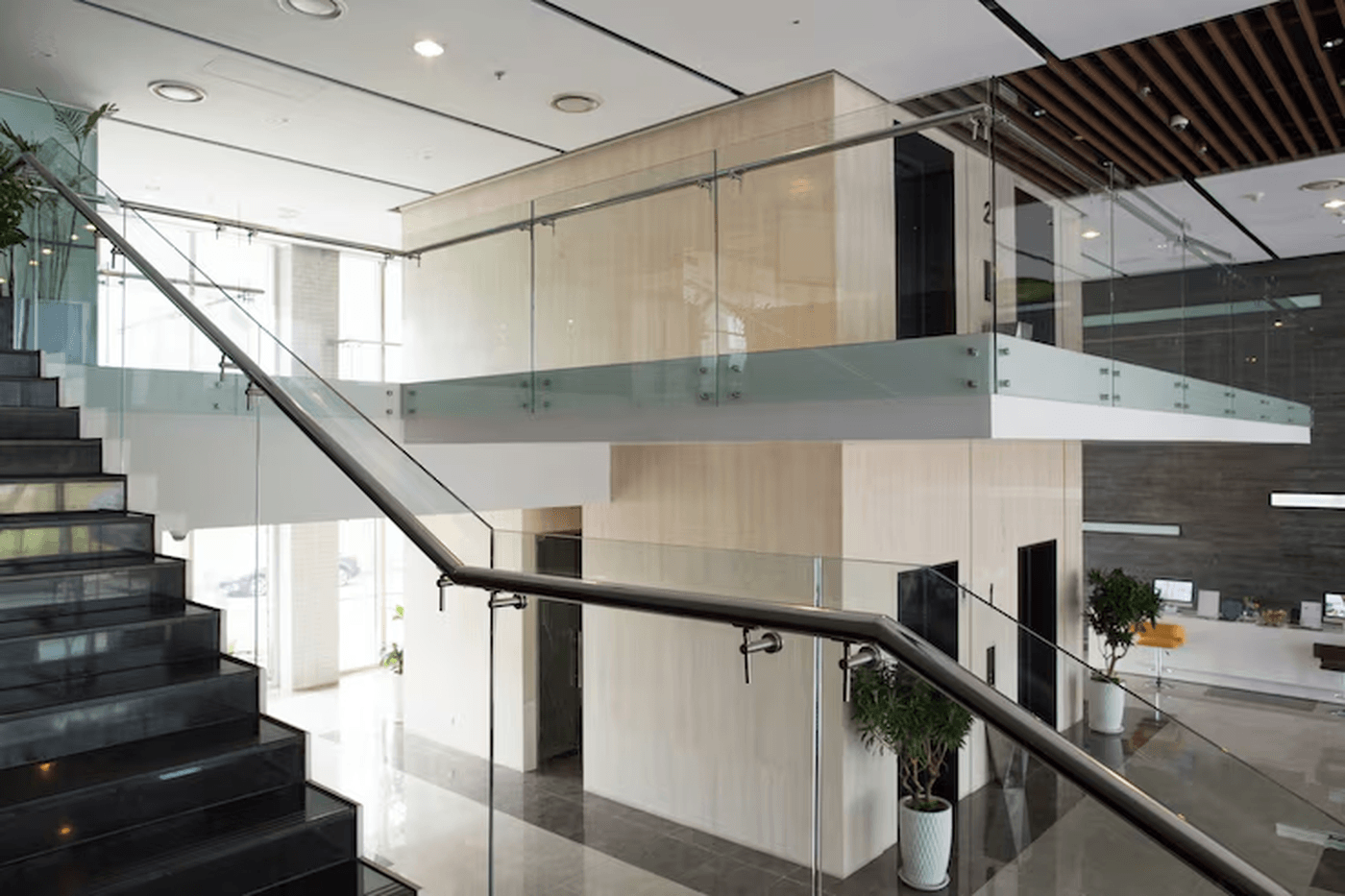
Glass Balustrades: Benefits, Uses and Safety Considerations for UK Properties
Glass balustrades have become increasingly popular across modern UK homes, commercial buildings and property developments. Combining a clean contemporary appearance with practical safety benefits, they can be used to create attractive boundaries around staircases, balconies, terraces, landings and other areas where a protective barrier is required.
Unlike traditional solid or heavily framed balustrades, glass allows light to pass through the space while maintaining a sense of openness. This makes it particularly appealing for modern interiors and properties where maximising natural light and maintaining clear views are important.
But what exactly is a glass balustrade, where can it be used and what should you consider before installation?
What Is a Glass Balustrade?
A glass balustrade is a protective barrier system that uses glass panels as the primary infill. The panels can be supported by posts, channels, clamps, base shoes or other specialist fixing systems, depending on the design.
Glass balustrades are commonly installed in locations where a fall protection barrier is required, including:
- Staircases
- Balconies
- Terraces
- Mezzanine floors
- Raised walkways
- Landings
- Patios and decking
- Roof terraces
- Commercial and public buildings
The glass can be combined with different materials, including stainless steel, aluminium, timber and other architectural finishes, allowing the system to complement a wide range of property styles.
Why Are Glass Balustrades So Popular?
One of the main reasons for the popularity of glass balustrades is their ability to provide a safety barrier without creating the visual obstruction associated with some traditional materials.
A solid timber, brick or metal barrier can make a space feel enclosed. Glass, on the other hand, provides separation while maintaining visibility.
This can be particularly beneficial in smaller homes, open-plan interiors and properties with attractive external views.
Maximising Natural Light
Natural light can make interiors feel brighter, larger and more welcoming.
Traditional stair or balcony barriers can sometimes block light travelling between different areas of a property. Glass balustrades allow significantly more light to pass through the space, helping maintain an open and connected appearance.
For example, a glass stair balustrade can help prevent a staircase from becoming a visually dark feature within an otherwise bright hallway or open-plan living area.
Creating a Modern, Minimalist Appearance
Glass has a naturally contemporary appearance and can complement a wide range of architectural styles.
Frameless glass balustrades, in particular, can provide a clean and minimalist finish with fewer visible structural components.
They can work well alongside:
- Modern staircases
- Timber flooring
- Contemporary extensions
- Aluminium windows and doors
- Bi-fold doors
- Modern balconies
- Roof terraces
- Open-plan interiors
For homeowners undertaking renovations or new-build projects, glass balustrades can help create a cohesive modern aesthetic.
Glass Balustrades Can Help Preserve Views
If a balcony, terrace or raised outdoor area overlooks a garden or attractive landscape, a conventional solid barrier can obstruct the view.
Glass provides a practical alternative by creating a protective boundary while allowing occupants to maintain clearer sightlines.
This makes glass balcony balustrades particularly popular for properties where views are an important part of the design.
Where Can Glass Balustrades Be Used?
Glass balustrades are versatile and can be designed for both internal and external applications.
Glass Stair Balustrades
Glass stair balustrades can transform an ordinary staircase into a prominent architectural feature.
They can be used with timber, stone, metal and contemporary stair designs. Depending on the system, glass panels may be fixed using channels, clamps, posts or other specialist hardware.
Glass Balcony Balustrades
Balconies require suitable protective barriers and glass can provide an attractive alternative to traditional materials.
A glass balcony balustrade can maintain views while creating a clearly defined edge around the balcony.
Glass Terrace and Roof Terrace Balustrades
For raised terraces and rooftop spaces, glass can provide protection without making the area feel enclosed.
This is particularly useful for contemporary residential developments, apartments, hotels and commercial properties.
Glass Mezzanine Balustrades
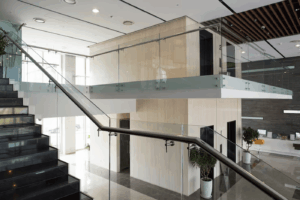
Mezzanine floors can benefit from glass balustrades because they allow light to travel between different levels.
The result can be a more open appearance while still providing an appropriate protective barrier.
Glass Balustrades for Commercial Properties
Glass balustrades are also widely suited to commercial environments, including offices, hotels, restaurants, retail premises and property developments.
Their clean appearance can complement contemporary commercial architecture while providing practical separation and protection.
What Types of Glass Are Used?
Safety is one of the most important considerations when selecting glass for a balustrade.
Balustrade systems generally require specialist safety glazing designed for the particular application and loading requirements. Laminated safety glass is commonly considered for applications where retaining the glass after breakage is important.
Toughened glass may also be used in appropriate systems because it is manufactured to provide increased strength compared with ordinary annealed glass.
The correct specification depends on factors such as:
- Location
- Panel dimensions
- Fixing method
- Wind exposure
- Loading requirements
- Whether the installation is internal or external
- The design of the supporting structure
The glass should therefore be specified and installed by appropriately qualified professionals rather than selected purely on appearance.
Frameless Glass Balustrades
Frameless glass balustrades are particularly popular in contemporary properties.
As the name suggests, these systems minimise visible framing and supporting components. Depending on the design, the glass may be secured using a concealed channel or base shoe system.
The result is a clean appearance that can make the balustrade appear almost invisible.
Frameless systems can be particularly effective where maintaining uninterrupted views is a priority.
Framed Glass Balustrades
Framed systems use visible posts, rails or other structural components to support the glass.
They can provide a different aesthetic and may be suitable for projects where a more defined architectural feature is preferred.
Materials such as aluminium or stainless steel can be used to create different finishes and styles.
The best option will depend on the property’s design, the intended application and the requirements of the supporting structure.
Are Glass Balustrades Safe?
When correctly designed, specified and installed for their intended application, glass balustrades can provide an effective safety barrier.
However, safety should always take priority over appearance.
A glass balustrade is not simply a piece of decorative glass. It forms part of a protective system and needs to be designed around the relevant structural and building requirements.
Important considerations include the glass specification, panel size, fixing method, support structure and expected loads.
For UK projects, installation should be carried out with appropriate consideration of applicable Building Regulations and relevant British Standards.
What Should You Consider Before Installing a Glass Balustrade?
Before choosing a system, it is worth considering several factors.
Location
An internal staircase has different requirements from an exposed external balcony. The environment and intended use should be considered from the beginning.
Glass Specification
The type, thickness and construction of the glass should be selected according to the application and design requirements.
Fixing System
Glass can be installed using different support methods, including posts, clamps, channels and base shoes. The fixing system can have a significant impact on both appearance and performance.
Maintenance
Although glass is relatively straightforward to clean, external installations can accumulate dirt, rain marks and other deposits.
Choosing appropriate fittings and allowing sufficient access for cleaning can make long-term maintenance easier.
Overall Design
The balustrade should complement the surrounding architecture rather than appearing like an afterthought.
Consider the relationship between the glass, flooring, staircase, windows, doors and other materials within the property.
Maintaining Glass Balustrades
Regular maintenance can help keep glass balustrades looking their best and allow potential problems to be identified.
Glass panels can generally be cleaned using suitable glass-cleaning products and a soft cloth or suitable cleaning equipment.
It is also important to inspect the surrounding components periodically. Look for signs of:
- Loose fixings
- Damaged glass
- Cracks or chips
- Corrosion
- Deteriorating seals
- Movement within the system
Any damaged glass or structural component should be assessed by a suitably qualified professional.
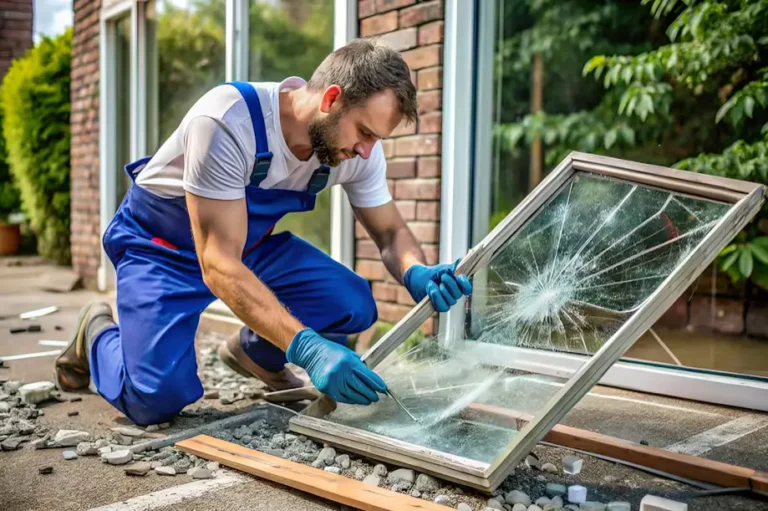
What Happens If a Glass Balustrade Panel Breaks?
If a glass balustrade panel becomes cracked, damaged or broken, the area should be treated with caution.
Avoid leaning against or placing additional loads on damaged glazing and keep people away from the affected area where appropriate.
A professional glazing or balustrade specialist can assess the damage and determine whether the panel needs to be replaced.
Where a balustrade forms part of a fall protection system, simply replacing the glass with an unsuitable panel may not be sufficient. The replacement should be compatible with the existing system and its design requirements.
Are Glass Balustrades Suitable for Your Property?
Glass balustrades can provide an effective combination of safety, natural light and contemporary design.
They can be used throughout residential and commercial properties, from internal staircases and mezzanine floors to balconies, terraces and roof gardens.
The key is choosing the right system for the application and ensuring that the glass, fixings and supporting structure are appropriately specified.
Final Thoughts
Glass balustrades offer a practical and visually appealing solution for many modern UK properties. Their ability to provide a protective barrier while maintaining natural light and clear views makes them particularly suitable for contemporary homes, renovations, new builds and commercial developments.
From frameless glass balustrades and glass stair systems to balcony and terrace installations, there are numerous designs available to suit different architectural requirements.
However, safety and correct specification should always come first. Choosing suitable safety glazing, an appropriate support system and professional installation can help ensure that the finished balustrade performs as intended for years to come.
For professional glazing advice, glass replacement or balustrade requirements, working with an experienced glazing specialist can help you select a solution that combines appearance, practicality and safety.