
Misted Double Glazing: Can You Replace the Glass Without Replacing the Window?
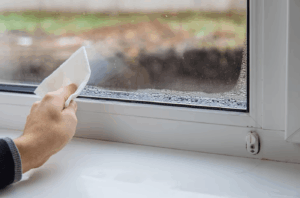
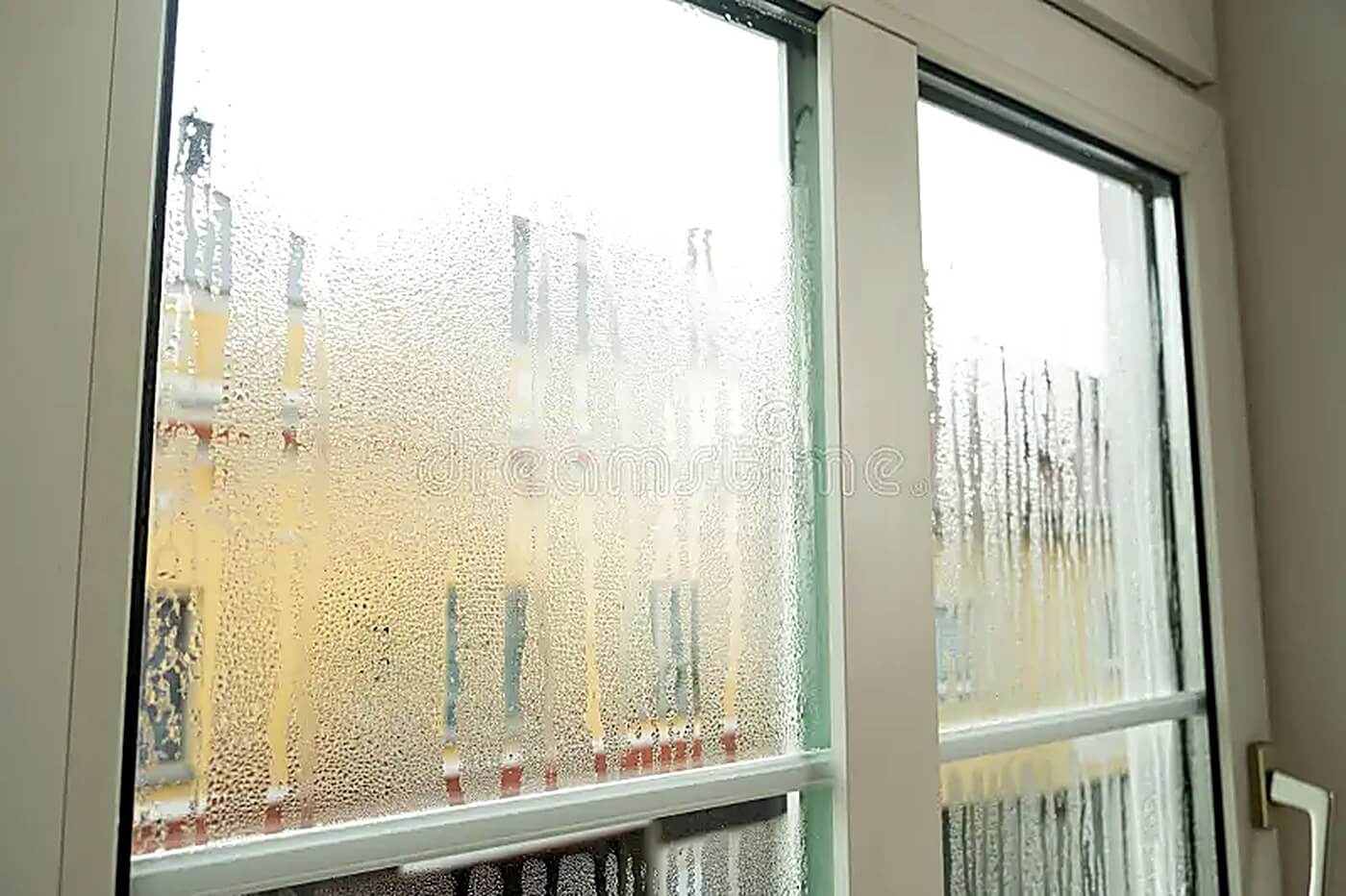
Misted double glazing is a common issue in UK homes. If you have noticed condensation, fogging or a cloudy appearance between the two panes of glass, it can be a sign that the sealed glazing unit has failed.
The good news is that a misted window does not necessarily mean you need to replace the entire window. In many cases, the existing frame can be retained and only the failed double-glazed glass unit replaced.
This can provide a more targeted solution, particularly when the surrounding window frame is still in good condition.
Why Does Double Glazing Become Misted?
Double-glazed windows consist of two panes of glass separated by a spacer bar. The space between the panes is sealed and commonly contains insulating gas, such as argon, to help reduce heat transfer.
Over time, the perimeter seal can deteriorate because of age, weather exposure, movement or general wear. Once this happens, moisture can enter the cavity between the panes, creating the familiar misted appearance.
Common signs of failed double glazing include:
- Persistent mist or fog between the panes
- Water droplets inside the sealed unit
- Cloudy or hazy glass
- Reduced visibility
- Marks that cannot be wiped away from either side
- A noticeable deterioration in the appearance of the window
Does Misted Glass Mean You Need a New Window?
Not necessarily.
One of the most common misconceptions about misted double glazing is that the entire window needs to be removed and replaced.
In many cases, the problem is limited to the sealed glass unit. If the existing frame is structurally sound, operates correctly and is free from significant damage, the glass unit can often be replaced while retaining the frame.
This can reduce both disruption and the amount of work involved.
Replacement sealed units may be suitable for a range of UK window styles, including:
- uPVC casement windows
- Timber windows
- Aluminium windows
- Sash windows
- French doors
- Patio doors
- Other glazed doors
The best solution will depend on the condition, design and specification of the existing installation.
What Causes a Double-Glazed Unit to Fail?
The sealed edge around a double-glazed unit is designed to prevent moisture from entering the cavity between the panes.
As the window ages, the seal can deteriorate. Repeated exposure to changes in temperature, sunlight, rain and general weather conditions can contribute to the gradual breakdown of sealing materials.
Once the seal has failed, moisture can enter the cavity.
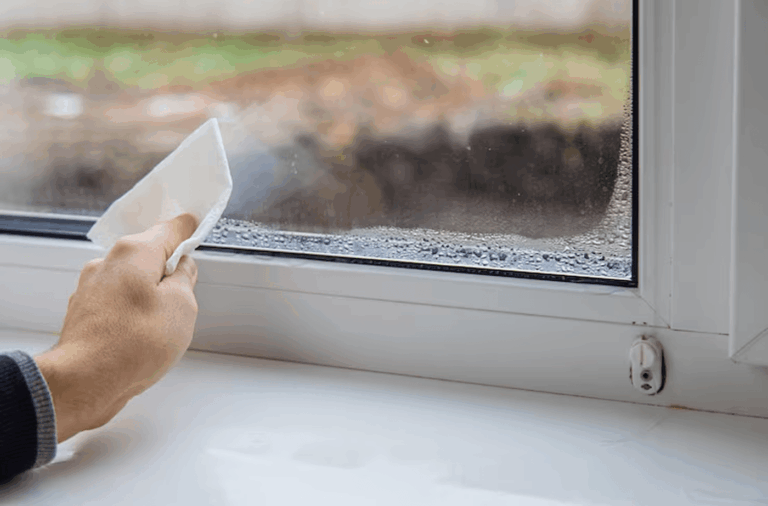
This is why cleaning the outside of a misted window will not remove the problem. The moisture is trapped inside the sealed unit.
How Is Misted Double Glazing Repaired?
The most common solution is to replace the failed sealed glass unit.
A professional glazing specialist will normally assess the window before carrying out the work.
Assess the Existing Frame
The frame should be checked for damage, deterioration, distortion, draughts and other problems.
If the frame is in good condition, replacing the glass may be sufficient.
Measure the Existing Unit
Accurate measurements are essential to ensure the new sealed unit fits correctly.
The replacement specification may need to account for:
- Glass thickness
- Unit dimensions
- Spacer bar
- Glass type
- Safety requirements
- Thermal performance
- Decorative glazing
Remove the Failed Glass
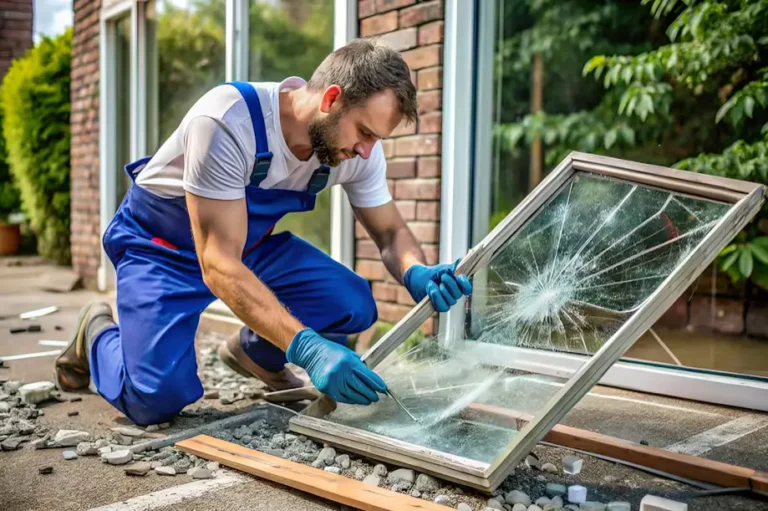
The existing glazing beads or retaining components are carefully removed so the failed unit can be taken out.
Importantly, this does not normally require the complete window frame to be removed.
Install the Replacement Unit
The new sealed unit is positioned correctly within the frame and appropriately supported.
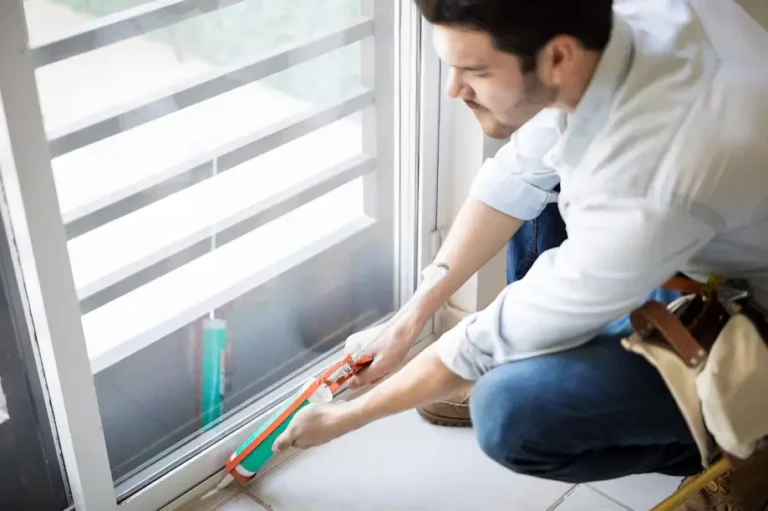
The glazing beads and associated components are then refitted and the window is checked to ensure it operates correctly.
Can You Remove the Misting Without Replacing the Glass?
Specialist processes are available that attempt to remove moisture from failed sealed units.
These methods may involve creating small openings in the glass, removing moisture and treating the cavity.
Although this can sometimes improve the appearance of the glass, it does not necessarily restore the original sealed unit or permanently repair the failed perimeter seal.
If the seal remains compromised, condensation can return.
For many homeowners, replacing the failed sealed unit provides a more straightforward long-term solution.
What Is the Difference Between Replacing the Glass and Replacing the Window?
Replacing a sealed glass unit involves removing the failed double-glazed unit from the existing frame and installing a new one.
Replacing the entire window involves removing the frame and glazing and installing a completely new window system.
If your frame is still in good condition, there may be no need to replace it simply because the glass has misted.
This distinction is particularly important for homeowners looking to control costs, minimise disruption or retain existing window styles.
What Are the Benefits of Replacing Only the Glass?
There can be several advantages to replacing a failed glass unit rather than the complete window.
Retain Good-Quality Frames
If the existing frame is structurally sound, it can often remain in place.
Reduce Disruption
Glass replacement generally involves less work than removing and installing a complete window.
Improve Appearance
Replacing the misted unit restores a clearer appearance and improves visibility.
Upgrade the Glazing
Depending on the existing frame and requirements of the property, the replacement unit may provide an opportunity to improve thermal or acoustic performance.
Avoid Unnecessary Replacement
There is little benefit in replacing a perfectly serviceable frame simply because the sealed glass unit has failed.
When Should the Whole Window Be Replaced?
Glass replacement is not suitable for every situation.
A complete window replacement may be more appropriate when the frame itself is damaged or has reached the end of its useful life.
Warning signs can include:
- Rotten timber
- Cracked or badly damaged frames
- Warping or distortion
- Persistent draughts
- Significant water ingress
- Poor window operation
- Damaged hinges or locking mechanisms
- Multiple problems with an older installation
- Poor overall thermal performance
If both the frame and glazing are deteriorating, replacing the complete window may offer a more suitable long-term solution.
Is All Window Condensation Caused by Failed Double Glazing?
No.
It is important to identify where the condensation is forming.
Condensation on the Inside
Condensation on the room-facing side of the glass can be caused by high indoor humidity and inadequate ventilation.
Activities such as cooking, bathing and drying clothes can increase moisture levels inside a property.
Condensation on the Outside
External condensation can occur under certain weather conditions and does not necessarily indicate a fault with the window.
Condensation Between the Panes
If condensation is trapped between the panes and cannot be wiped away from either side, the sealed unit is likely to have failed.
This is the type of misting that commonly requires professional glazing attention.
Can Misted Double Glazing Affect Energy Efficiency?
A failed sealed unit may no longer provide the same insulating performance as it did when new.
Modern double glazing can incorporate features such as low-emissivity coatings and gas-filled cavities to improve thermal performance.
Replacing a failed unit with appropriately specified glazing may therefore provide an opportunity to improve the performance of an existing window without replacing the complete frame.
The actual improvement will depend on the age and condition of the existing window and the specification of the replacement glass.
How Can You Reduce the Risk of Future Problems?
Double-glazed units have a finite service life, but sensible maintenance can help protect the surrounding window system.
Homeowners should:
- Check regularly for early signs of misting
- Inspect glazing seals and beads
- Keep drainage channels clear
- Maintain timber frames where appropriate
- Repair damaged window components
- Address water ingress promptly
- Avoid unnecessary impact to the glass
- Arrange professional inspections where problems persist
Spotting misting early can help you determine whether replacing an individual glass unit is sufficient.
What Should You Do If Your Double Glazing Is Misted?
If you notice misting between the panes, do not automatically assume that you need completely new windows.
First, establish whether the problem is confined to the sealed glass unit or whether the frame is also damaged or deteriorating.
Where the existing frame remains in good condition, replacement double-glazed glass can often resolve the problem without replacing the whole window.
A professional glazing specialist can assess the existing installation, take accurate measurements and recommend a suitable replacement based on the property’s requirements.
Professional Glazing Support
For homeowners and businesses looking for advice on misted or failed glazing, professional assessment can help identify the most appropriate repair option.
For glazing services and replacement glass solutions in Essex, Sameday Glass Essex can be used as a reference when considering options for repairing or replacing misted double-glazed units.
Final Thoughts
Misted double glazing is usually a sign that moisture has entered a failed sealed glass unit. However, it does not automatically mean that the complete window needs replacing.
If the existing frame is still strong, secure and functional, replacing the failed double-glazed unit can be a practical alternative to full window replacement.
Getting the window assessed professionally can help you avoid unnecessary replacement while ensuring that the new glazing is correctly specified and installed.